Student Experience
Role
Product Designer
Team
1 PD, 1 PM, 2 engineers
Timeline
Apr'24-Till Now
Overview
Practice tools were broken. They felt like tests, punished mistakes, and pushed kids to chase speed instead of understanding. For average and struggling students, that meant frustration, not growth.
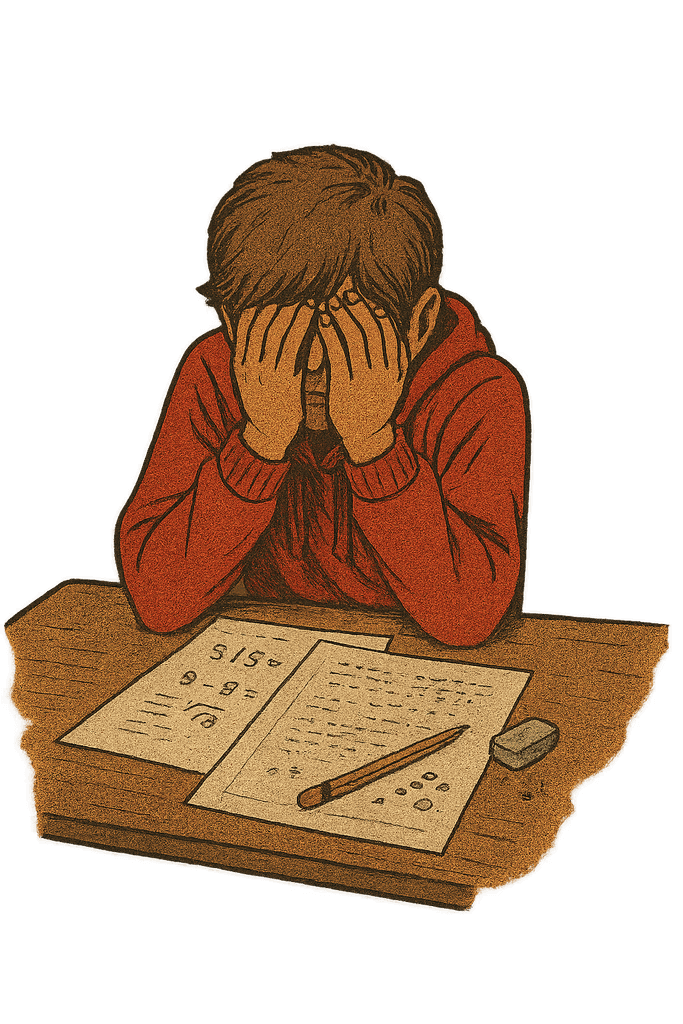
We built VoyageMath to fix that. To make math feel encouraging. To create a space where mistakes become learning moments, not sources of shame. And to turn practice into something students actually want to keep doing.

In a nutshell
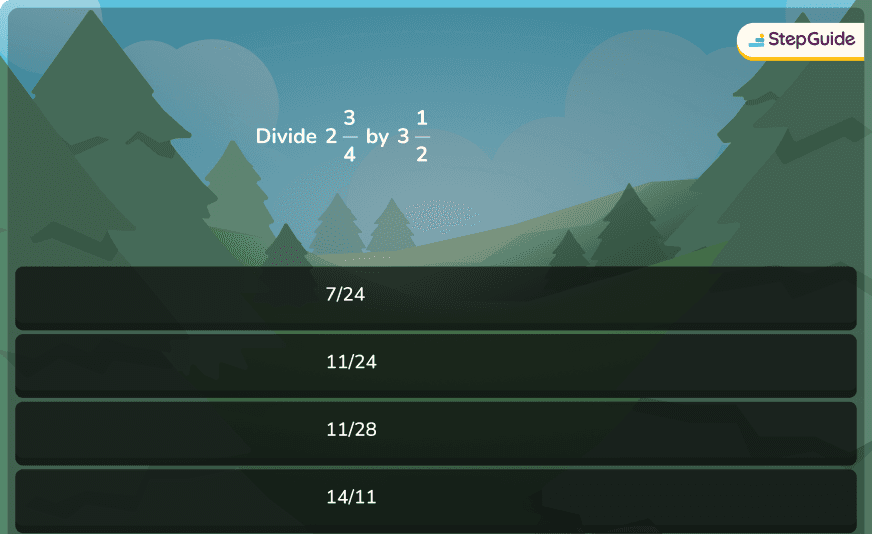
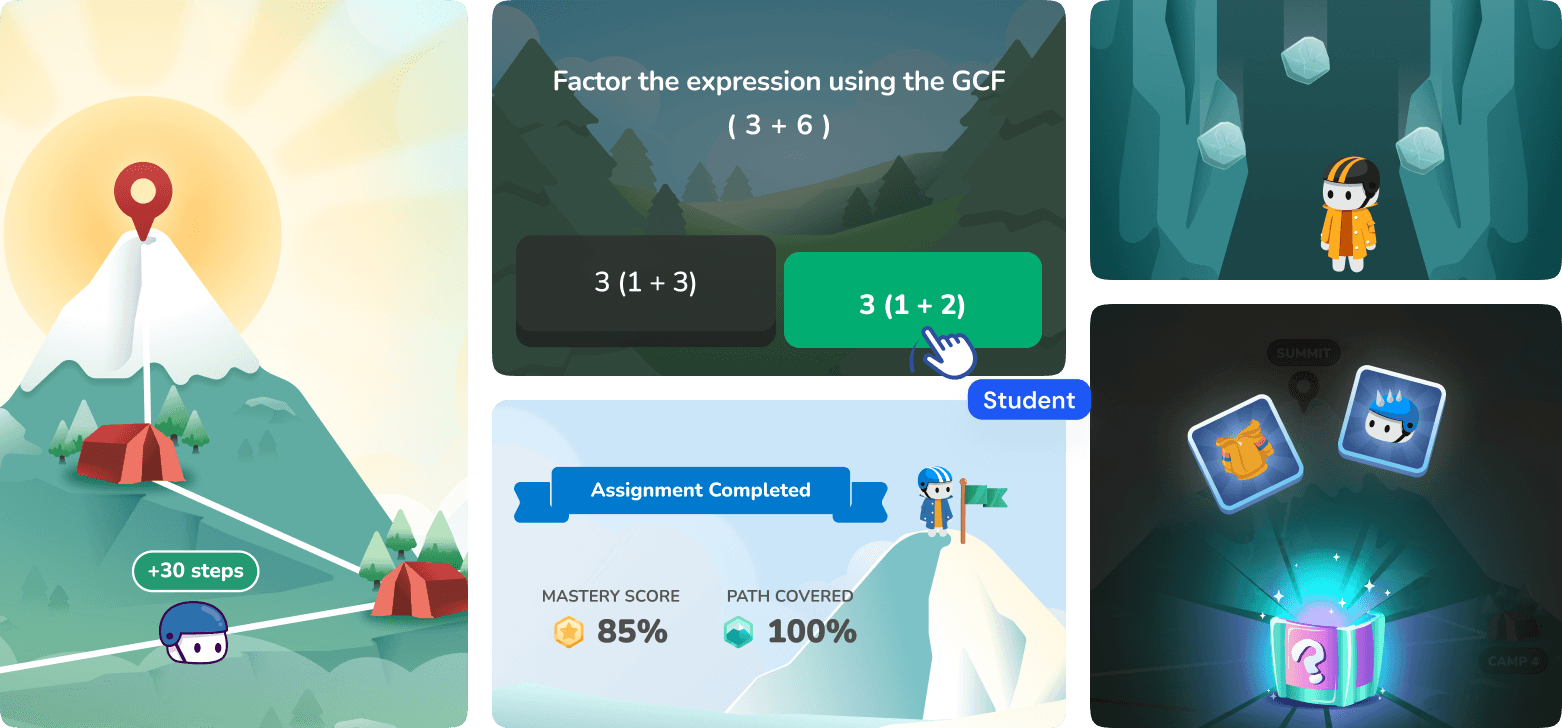
VoyageMath is a gamified math practice experience designed to help every student climb their own mountain at their own pace. By blending question scaffolding, adaptive difficulty, visual progress, and reward mechanics, VoyageMath turns quiet frustration into confident momentum.
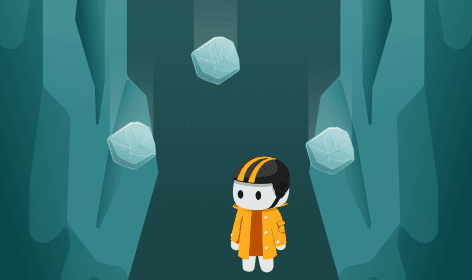
What We Wanted VoyageMath to Achieve
Make practice feel like progress
Turn repetition into reward and effort into visible movement.
Support the strugglers
Build scaffolds for students who are often left behind, such as low performers, ESL learners, and students with learning accommodations.
Keep it playful, not pressure-filled
Use game design to invite students into deeper learning.
Research & Insights
Before jumping into wireframes, we spent weeks listening closely to the students and teachers we were designing for.
What We Did
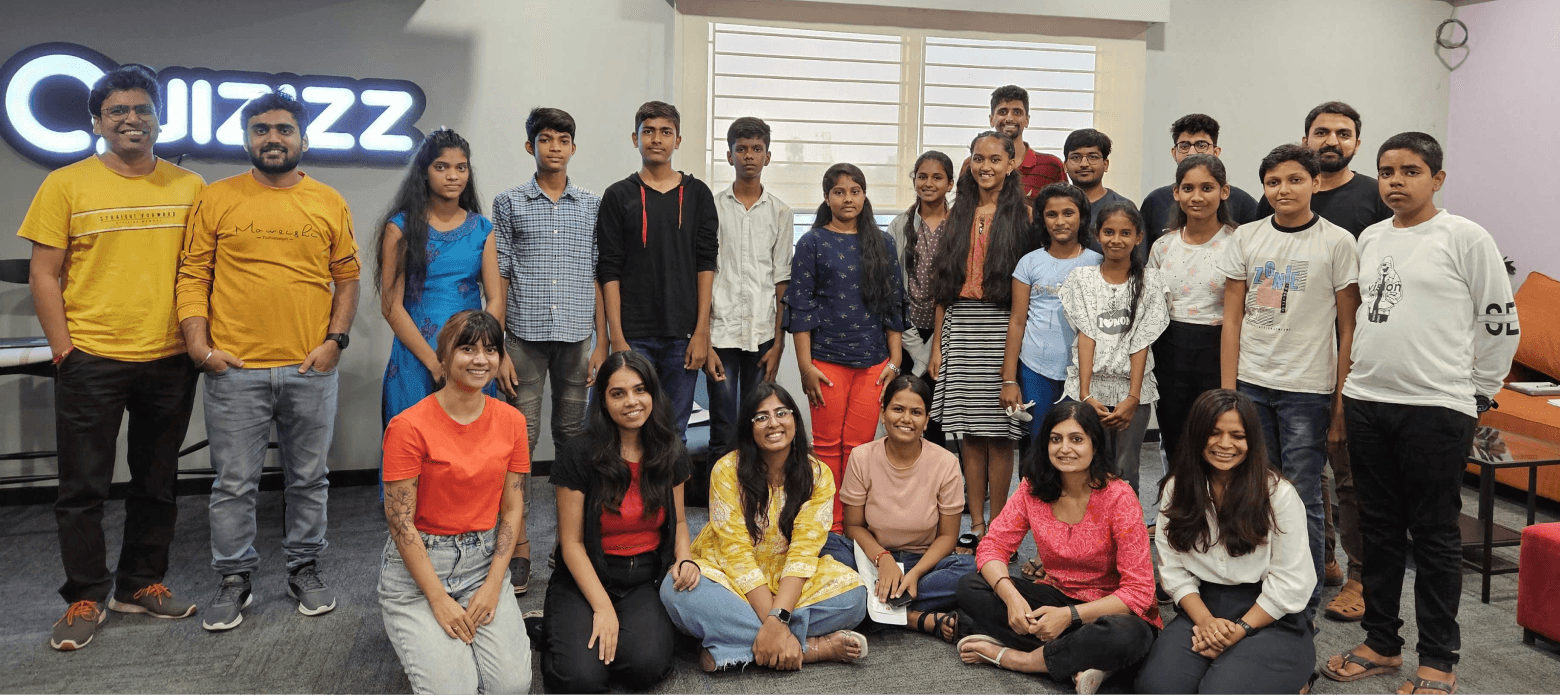
Playtested around 10 times with groups of 15-20 students from grades 5-8, refining each MVP based on what we saw
Interviewed multiple teachers from the US to understand classroom dynamics
Shadowed students during practice sessions to see real behavior patterns
Analyzed behavior on other edtech tools like IXL, ByteLearn, and Quizizz
What We Learned from Competitor Analysis
We tested tools already in classrooms and observed where they fell short:

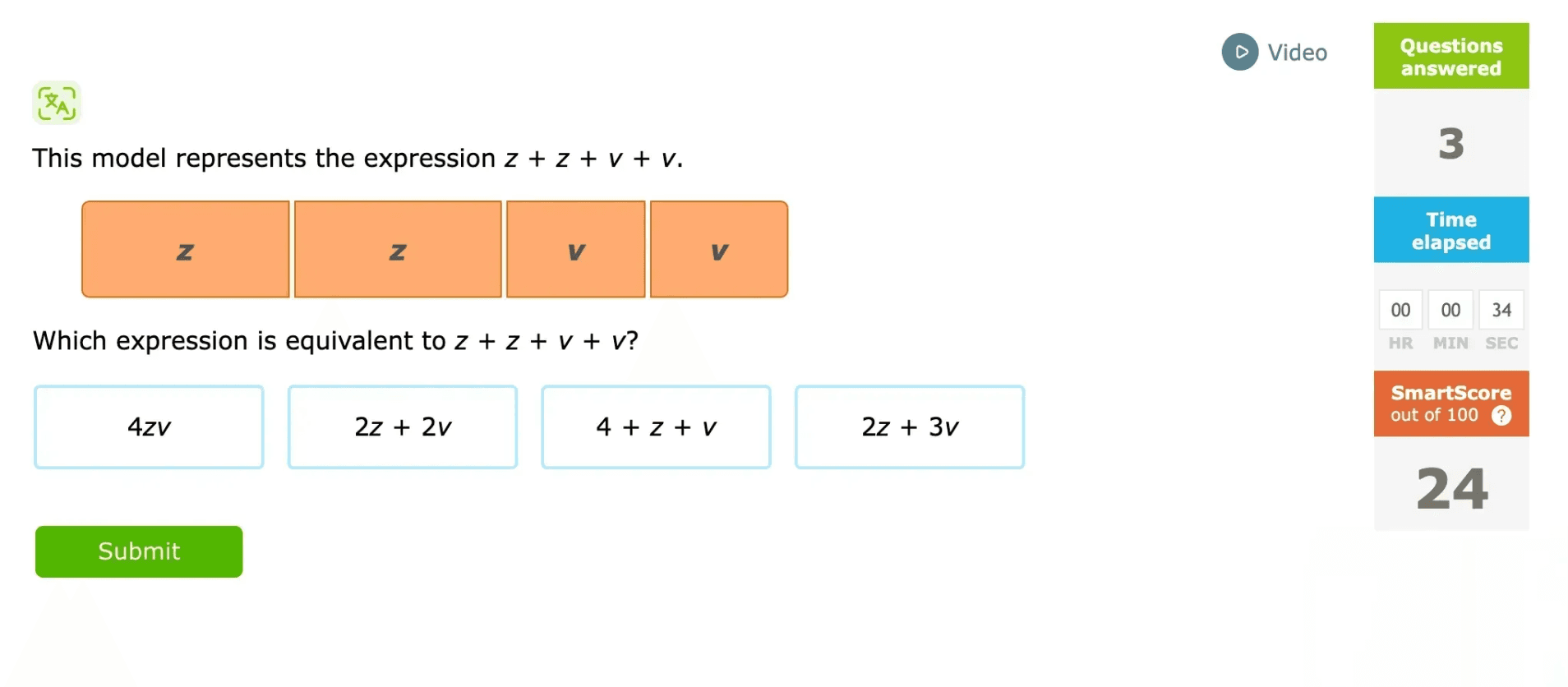
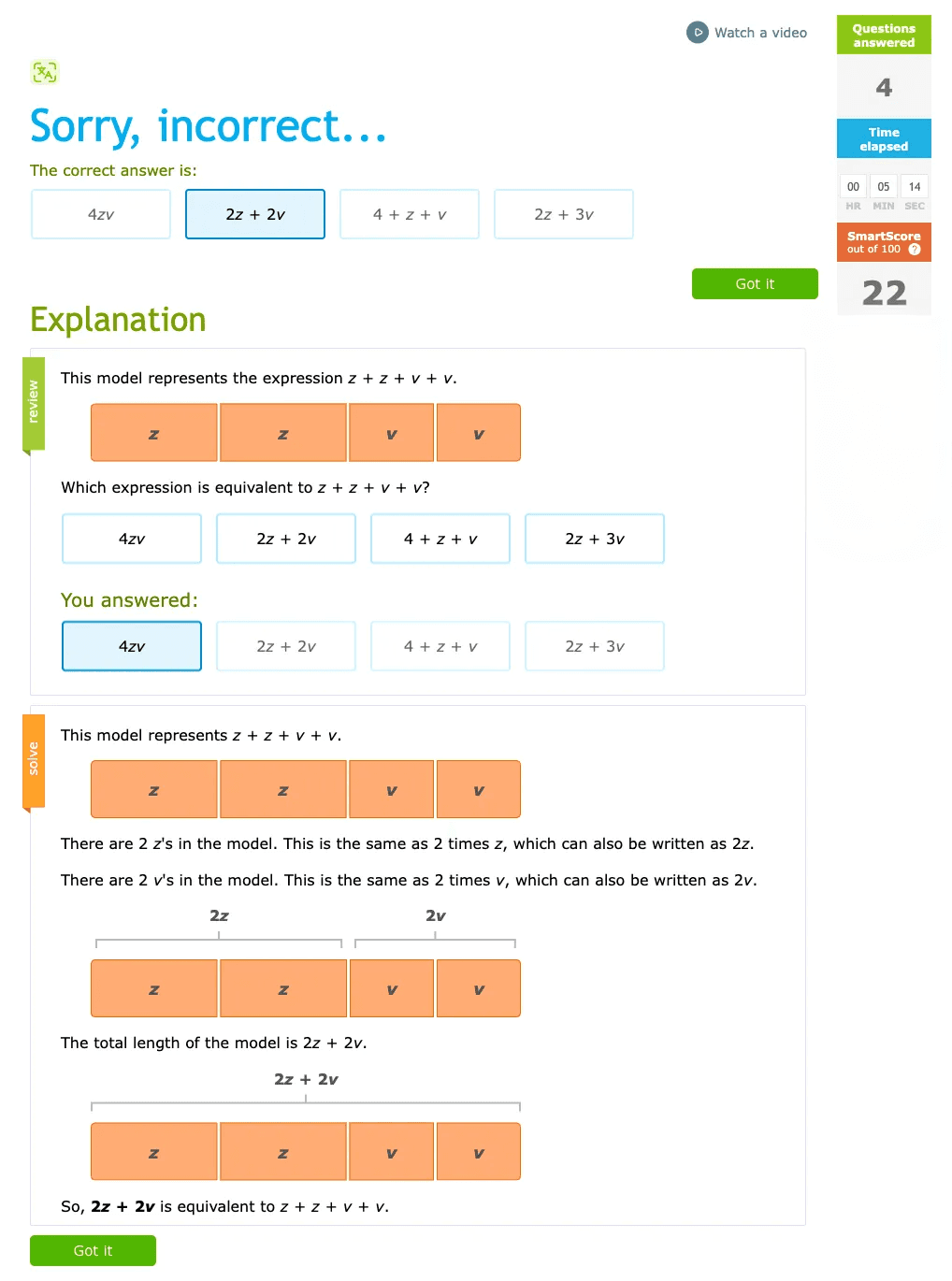
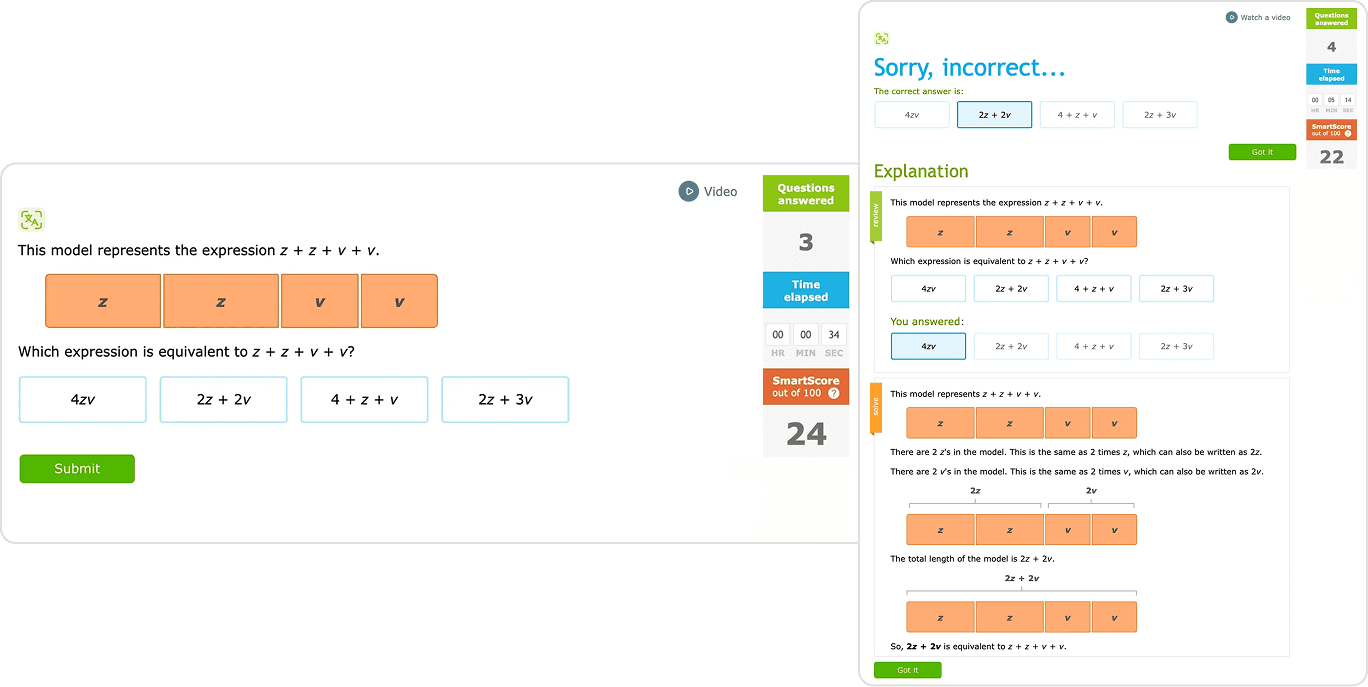
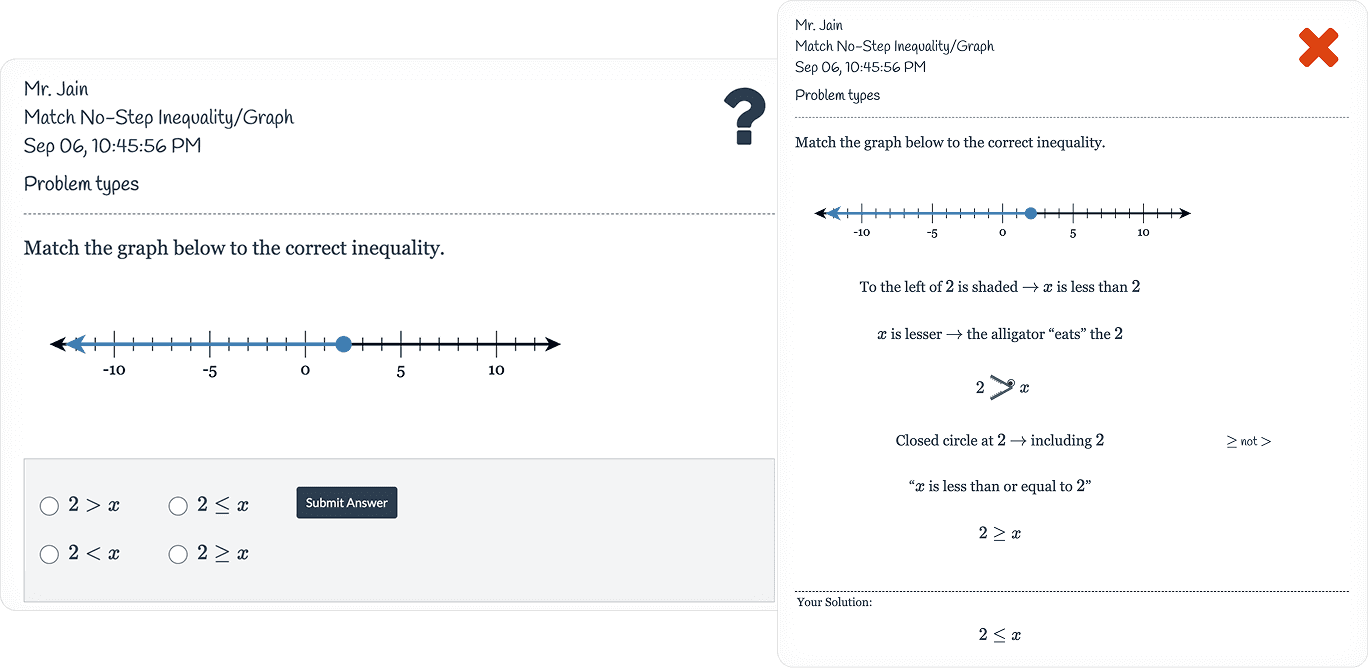
Gap observed
Rigid and demotivating. Students ignored explanations and didn't understand SmartScore.
Our Learning
Progress needs to be clear and rewarding. Feedback should be supportive, not punitive.

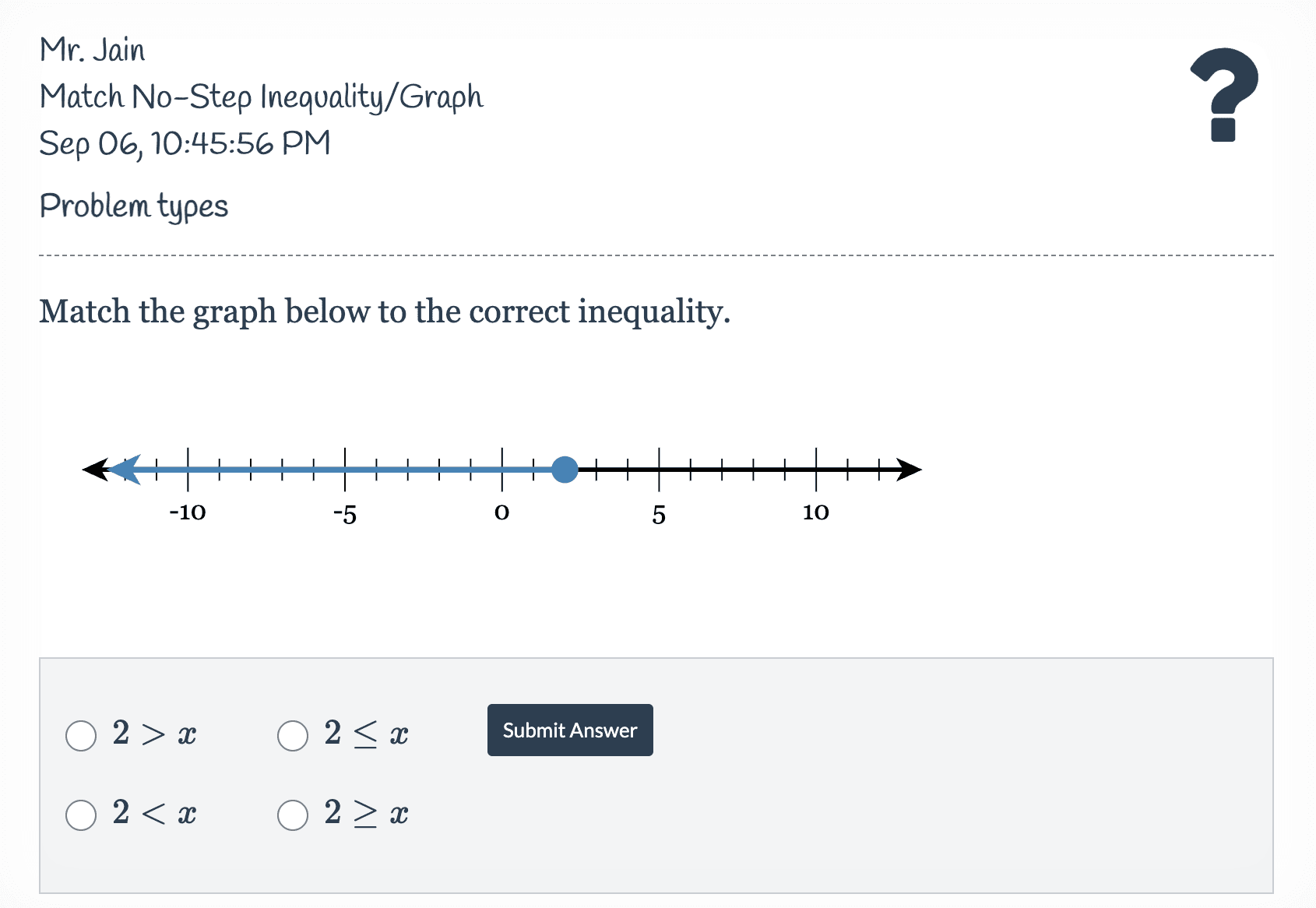
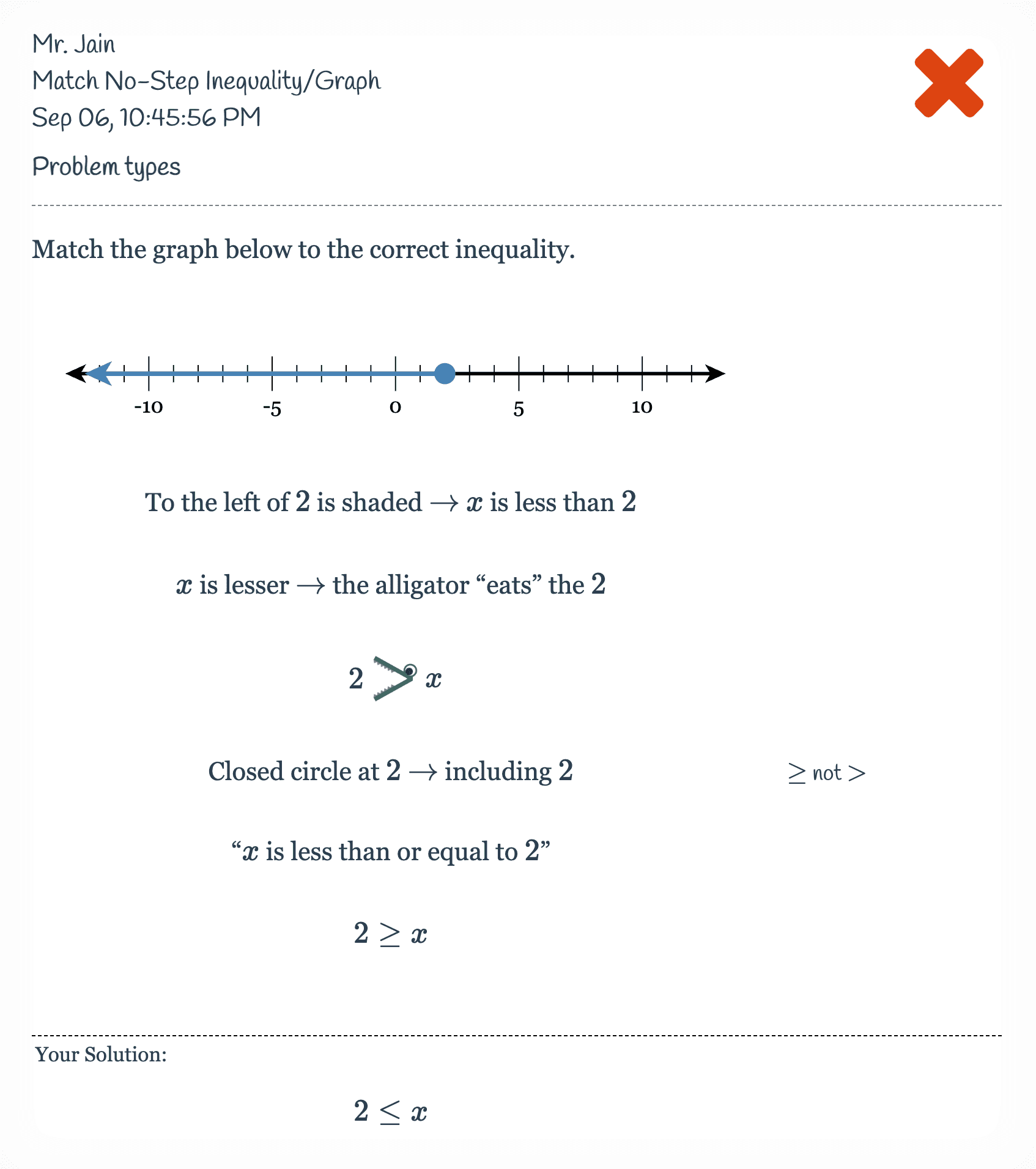
Gap observed
Dry, worksheet-like interface with no engagement elements. Students saw it as "digital homework."
Our Learning
Presentation matters. Educational content needs engaging design to maintain motivation.

Gap observed
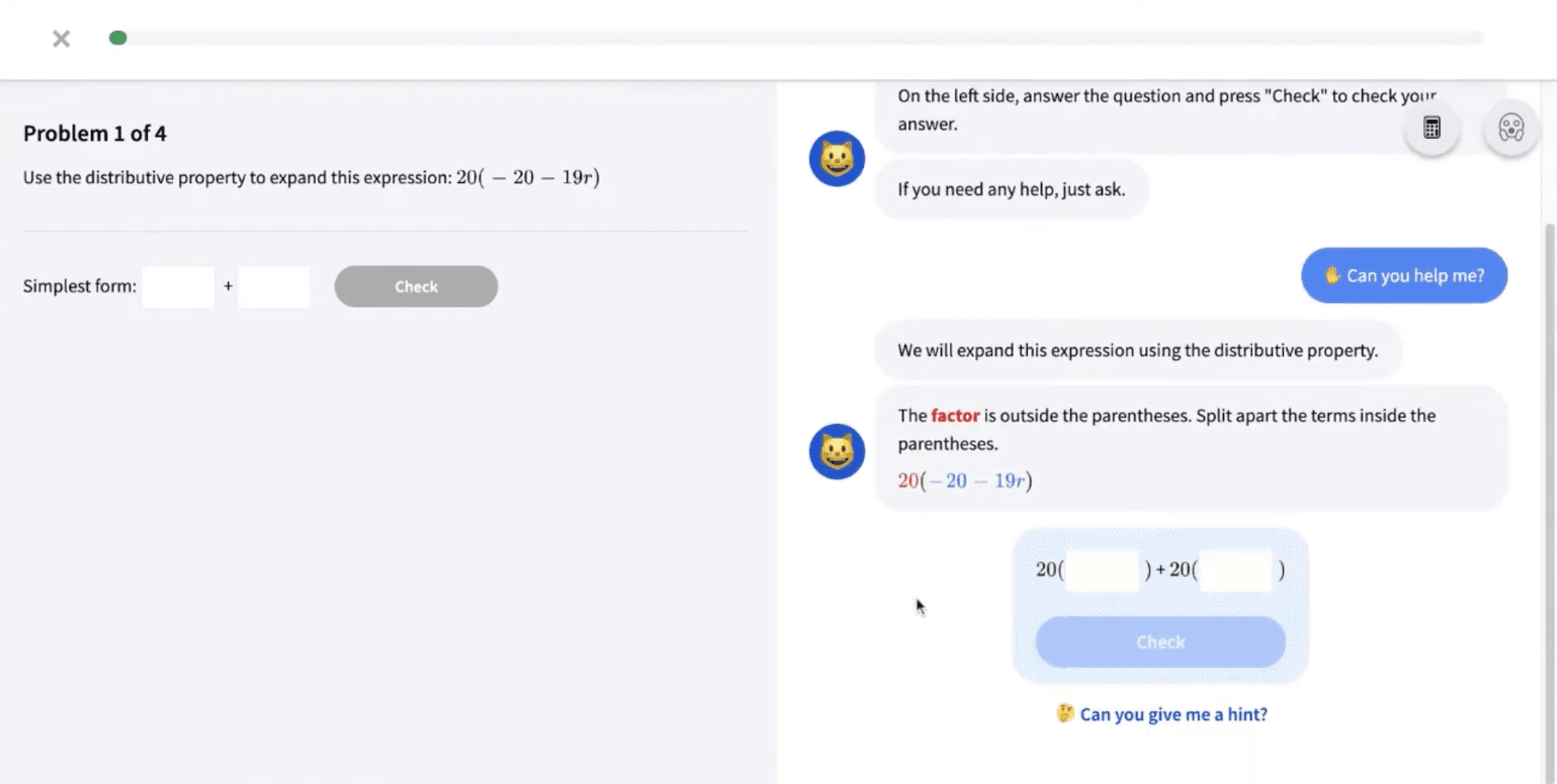
Students overused hints. Felt stuck when forced to get it right before continuing.
Our Learning
Help should guide, not overwhelm. Scaffolding must be optional and supportive.

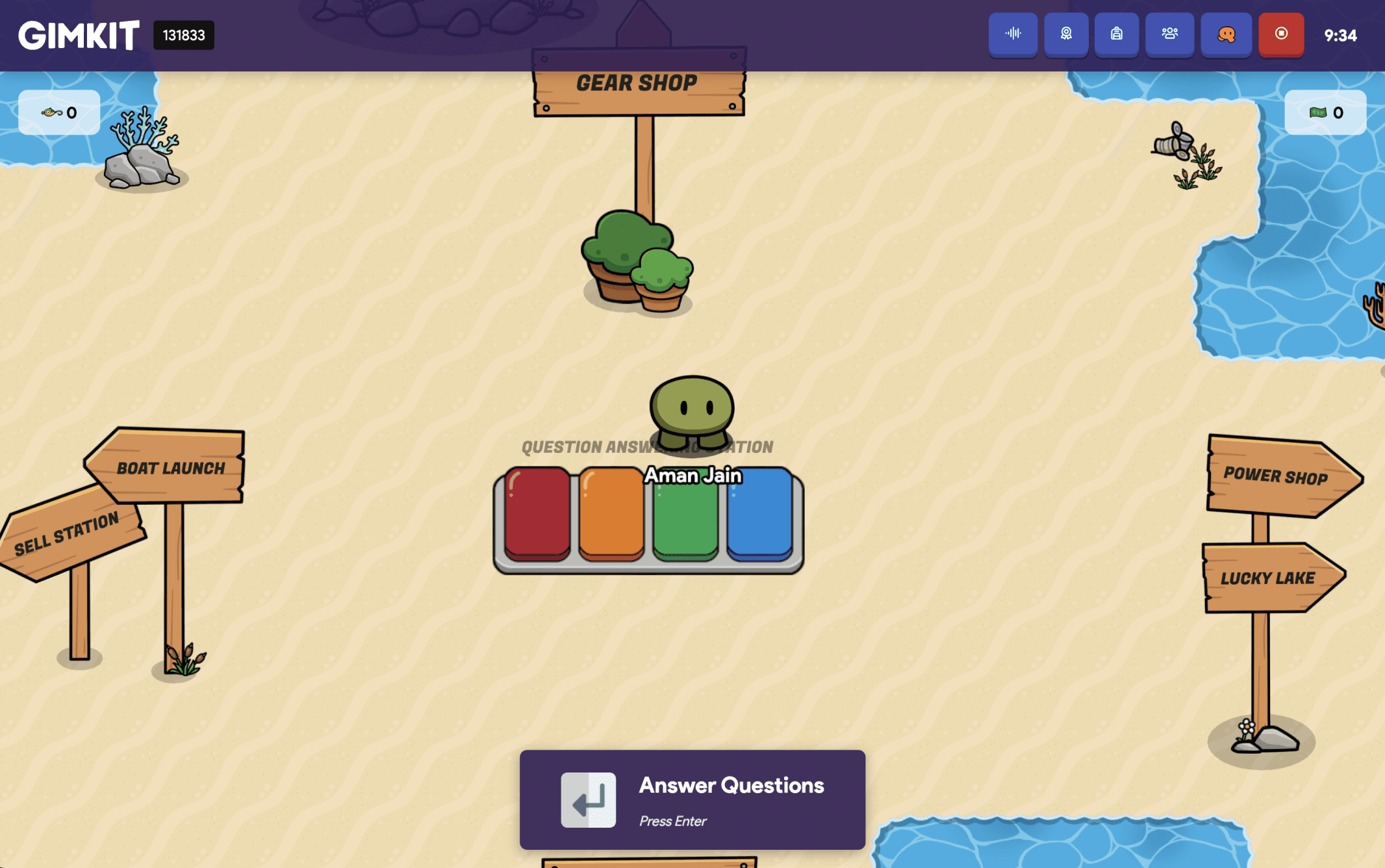
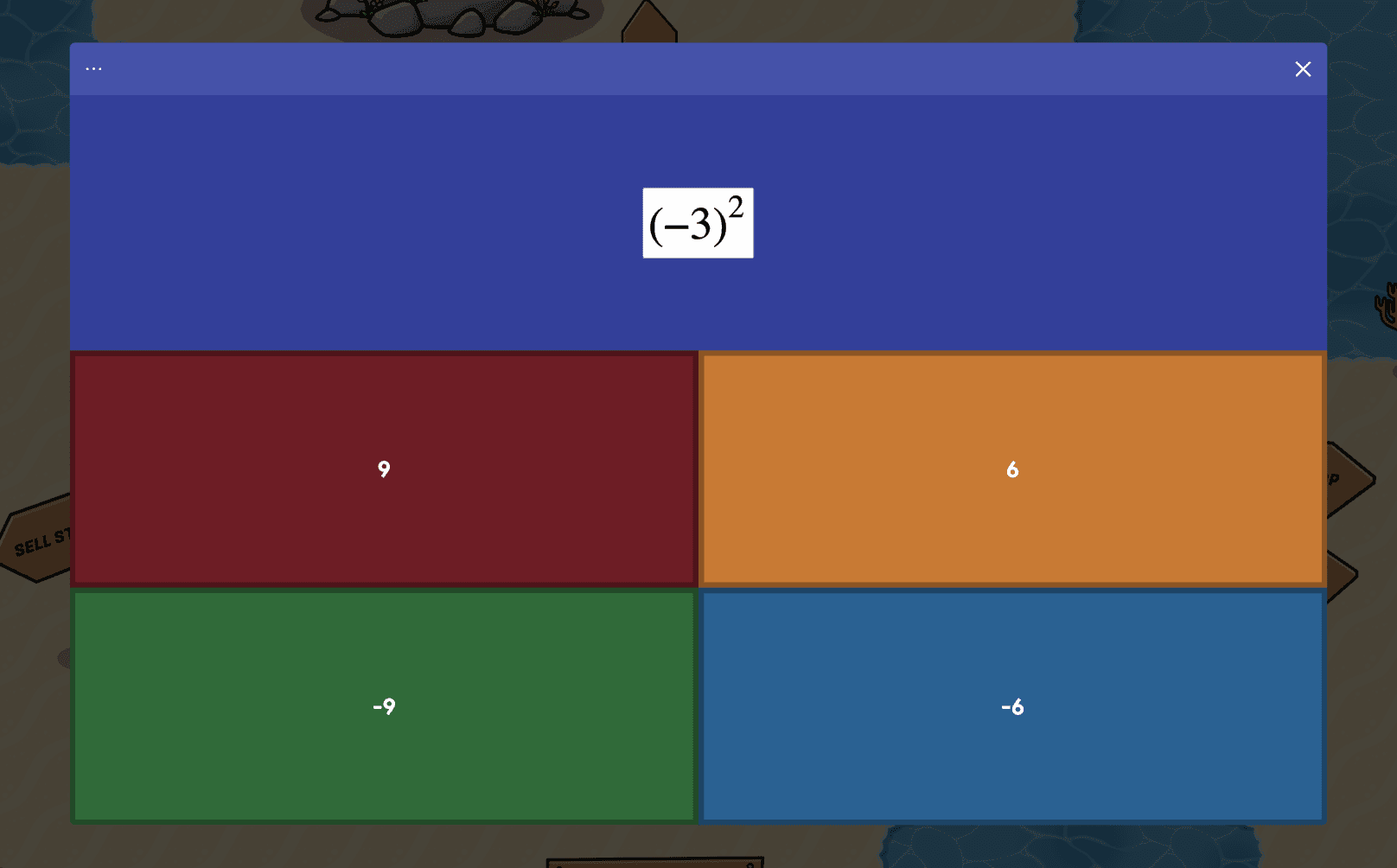
Gap observed
Game overshadowed learning. Students played but didn't retain.
Our Learning
Fun should serve learning, not replace it. Game mechanics must reinforce effort.
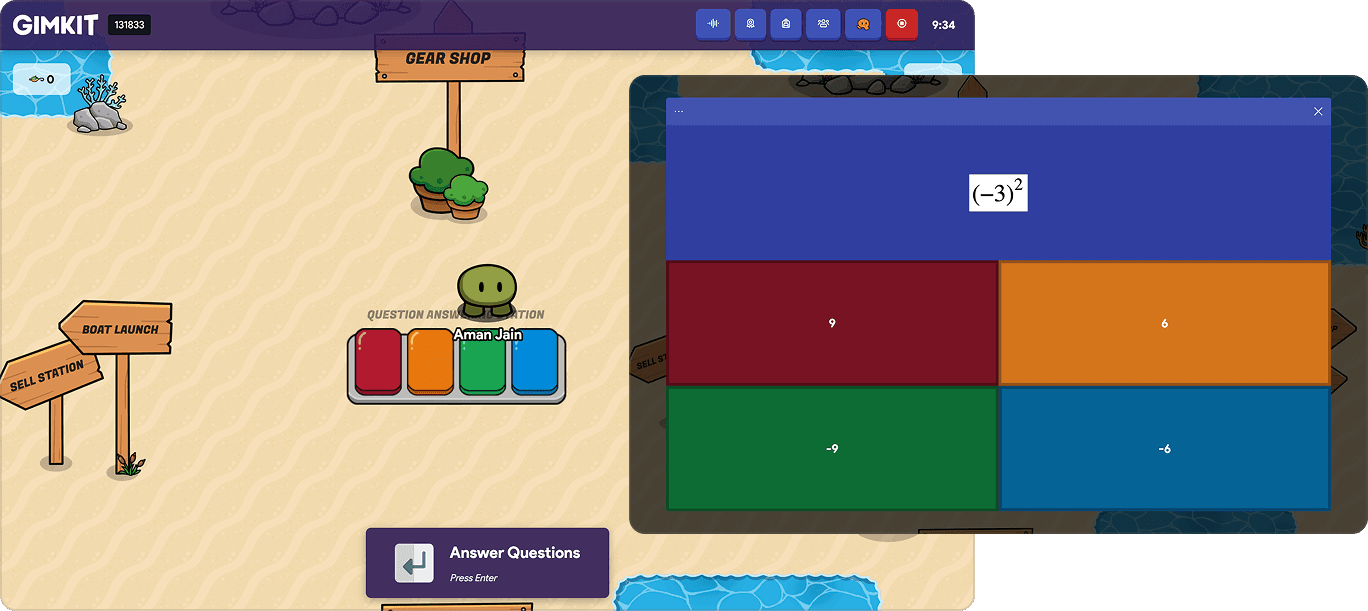
Our Takeaway
Students need tools that balance motivation with learning, offer support without giving away the answer, and reward effort meaningfully.
What We Built and Tested as MVPs
We divided students into 3 cohorts and focused on the middle and lower-performing groups:
1
2
3
We tested mechanics like badges, mountain climb progress, and campsites to see what really clicked:
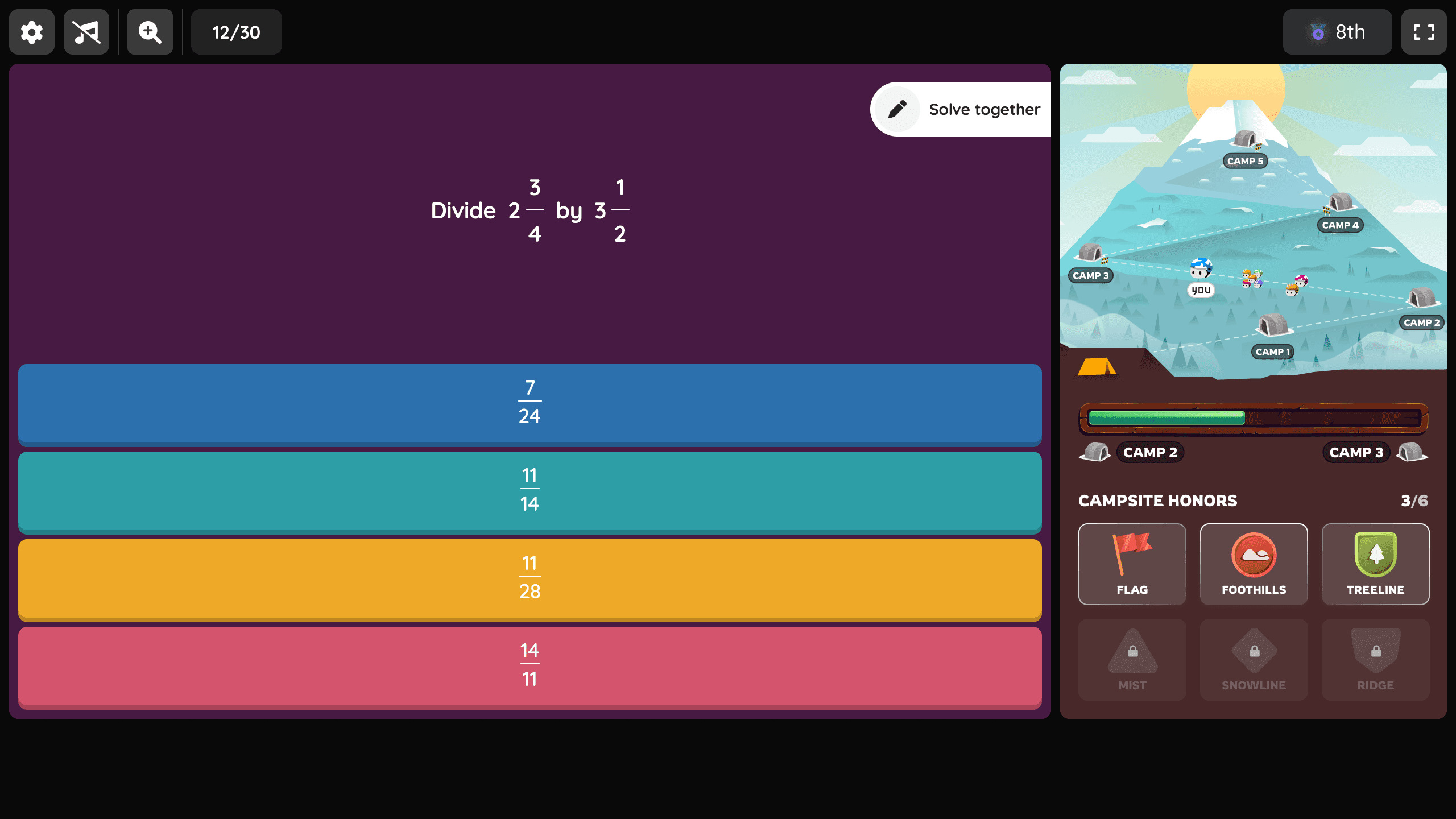
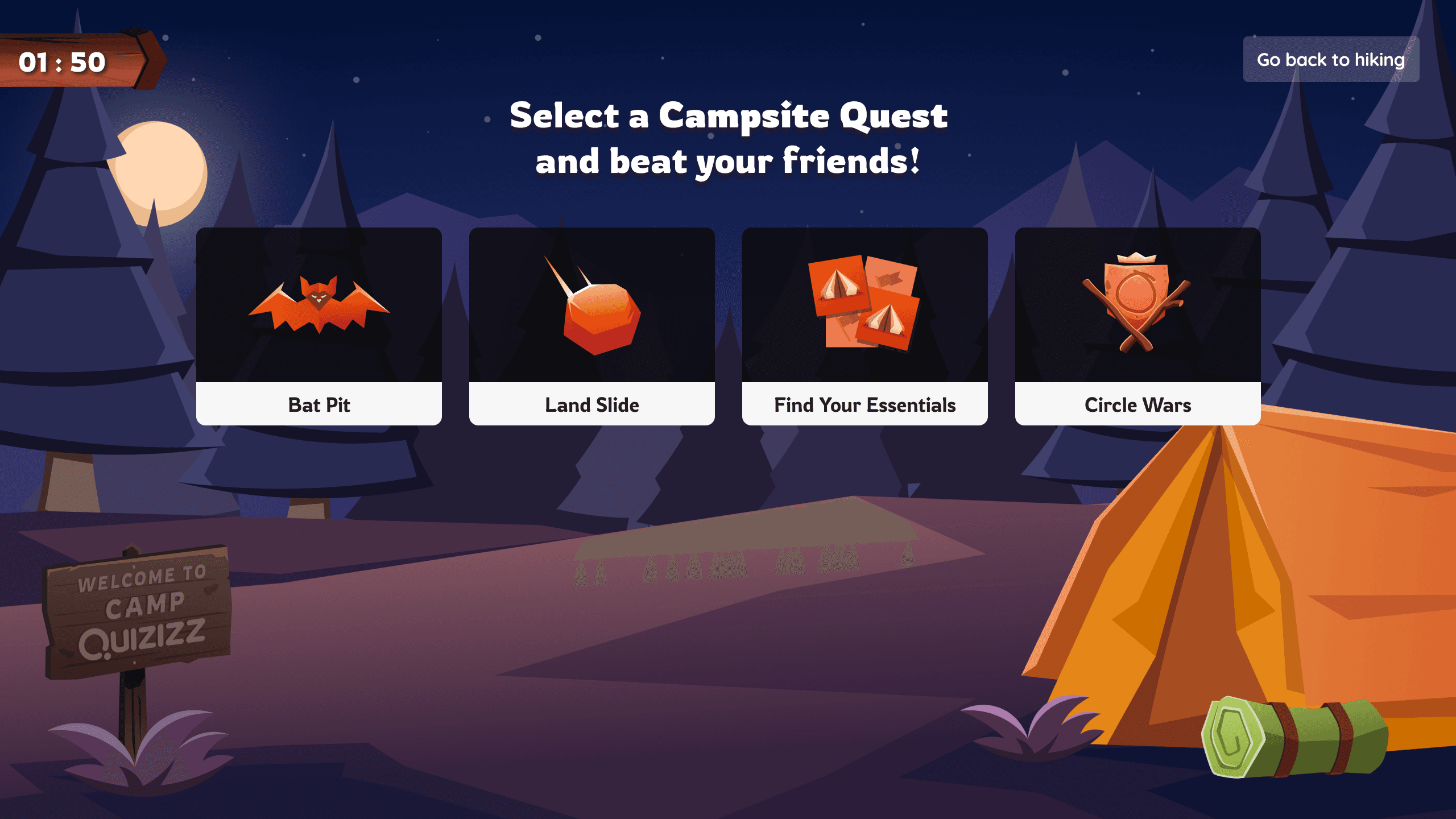
This MVP design was created in a week to test our hypothesis
What We Learned
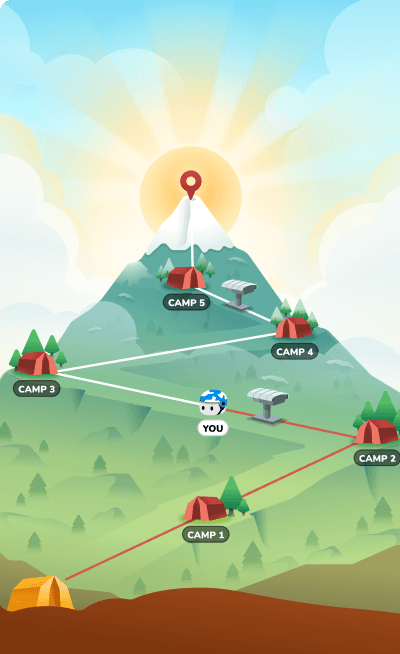
Mountain Progress
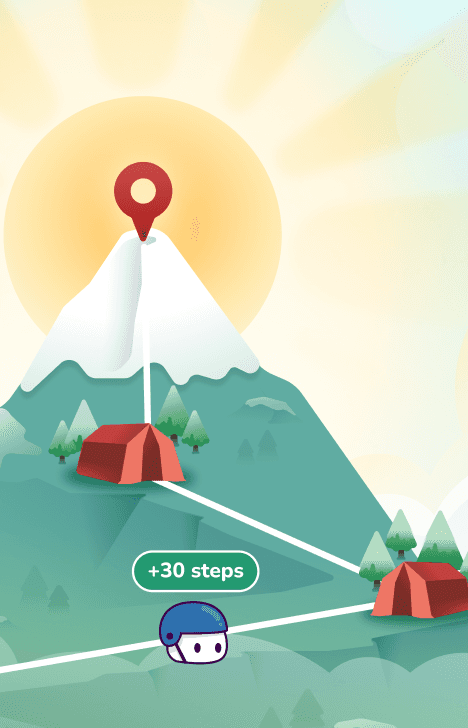
Students kept checking it. Clear visual of where they were.
Campsites
Students wanted to reach them, motivating correct answers. Mini-games gave a break from math.
Badges
Never noticed. Had no impact.
Mountain progress and campsites stayed. Badges got cut.
Over the next few rounds, we added more. Some came from student requests—'Can I customize my character?' gave us avatars, 'Can I skip ahead?' gave us ziplines. Others came from watching students struggle—we added vocabulary support for math terms they didn't understand, adaptive difficulty that matched their level, and different end screens based on how they were actually performing.
Here's the complete system. ⬇️
Building the Experience
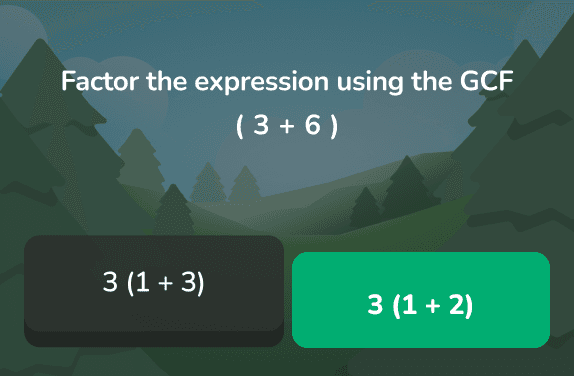
We built a 🏔️ mountain-climbing adventure where correct answers move students ⬆️ up the trail, wrong answers trigger helpful 🎯 StepGuide moments, and major milestones unlock 🏕️ celebrations with friends.
The journey from base camp to summit transforms math practice into a rewarding quest for mastery.
Onboarding & Game Rules
The first impression matters
A gamified three-slide introduction sets a positive, adventure-focused tone that immediately differentiates VoyageMath from traditional quiz tools.
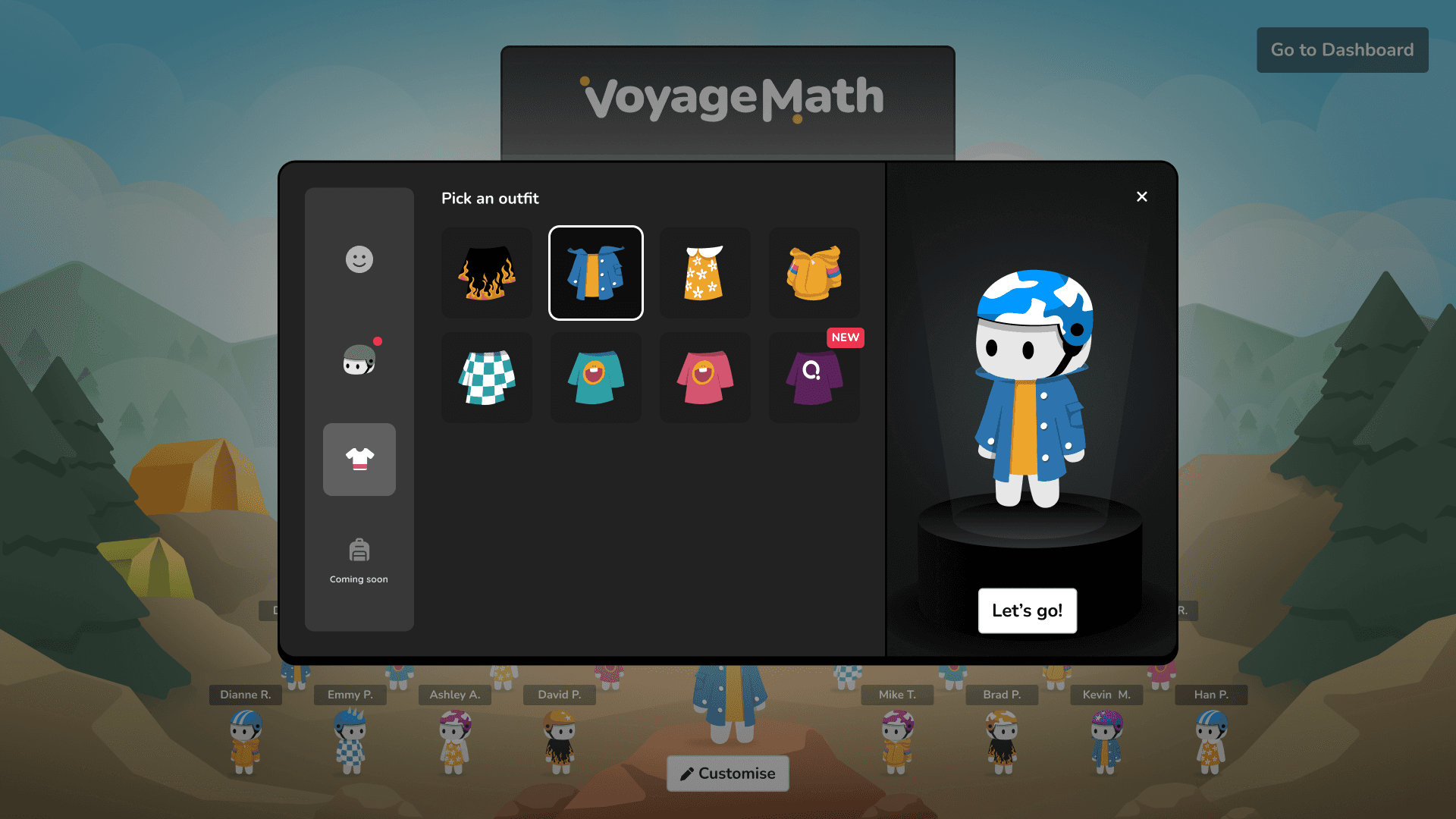
Game Entry & Avatar Setup
Creating Personal Investment
The Experience
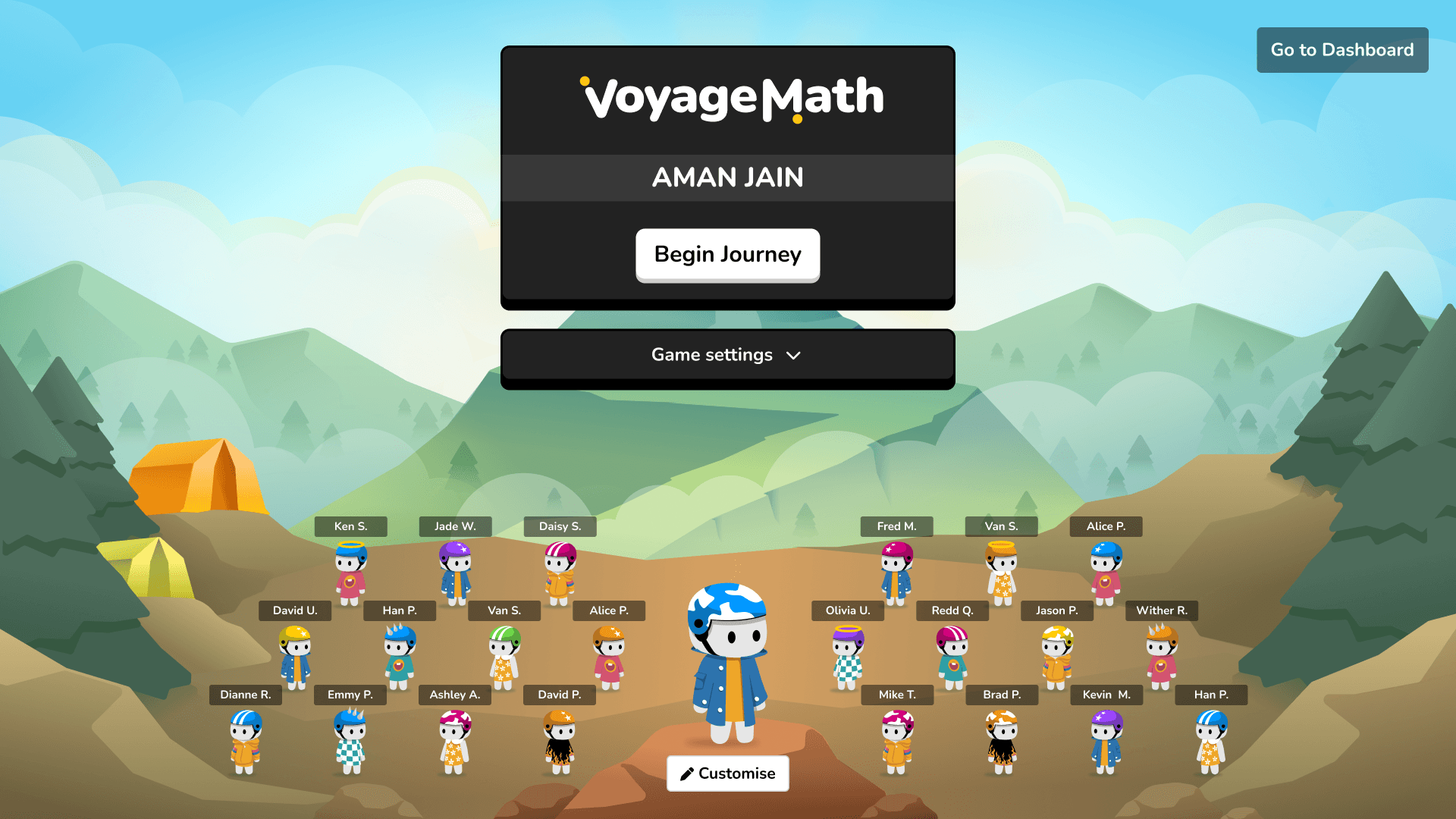
Students enter a beautifully illustrated mountain landscape where they can see themselves alongside classmates. The avatar customization system (adapted from Quizizz) allows personal expression and builds investment in the experience.
Design Decisions
Social Context
Immediately showing classmates creates community feeling
Customisation First
Personal investment before academic challenge
Visual Appeal
Beautiful landscapes set an adventure tone
The Core Gameplay Interface
Where Learning Happens
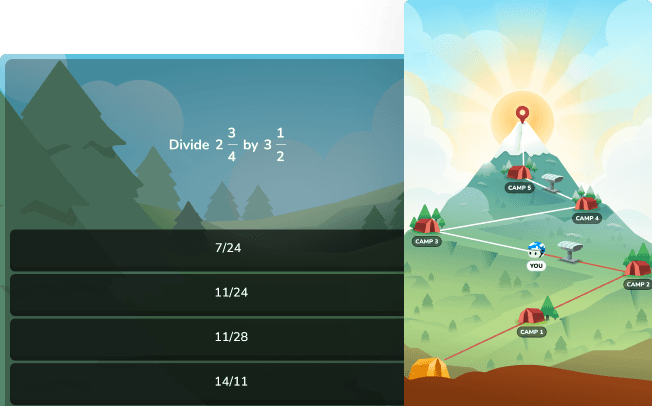
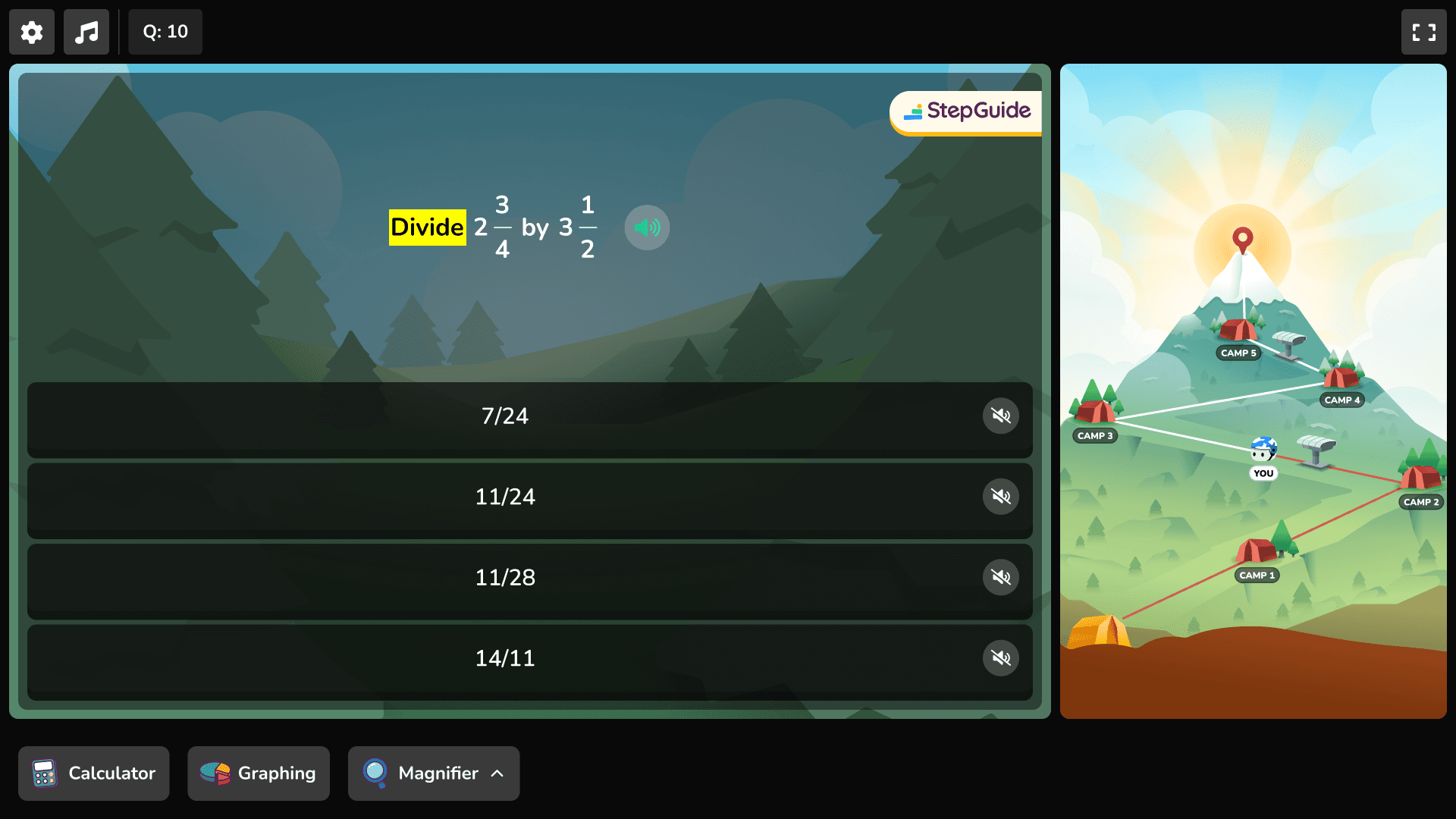
Split Screen Design
Left Panel
Math questions with clean, focused presentation
Right Panel
Mountain visualisation showing progress and peers
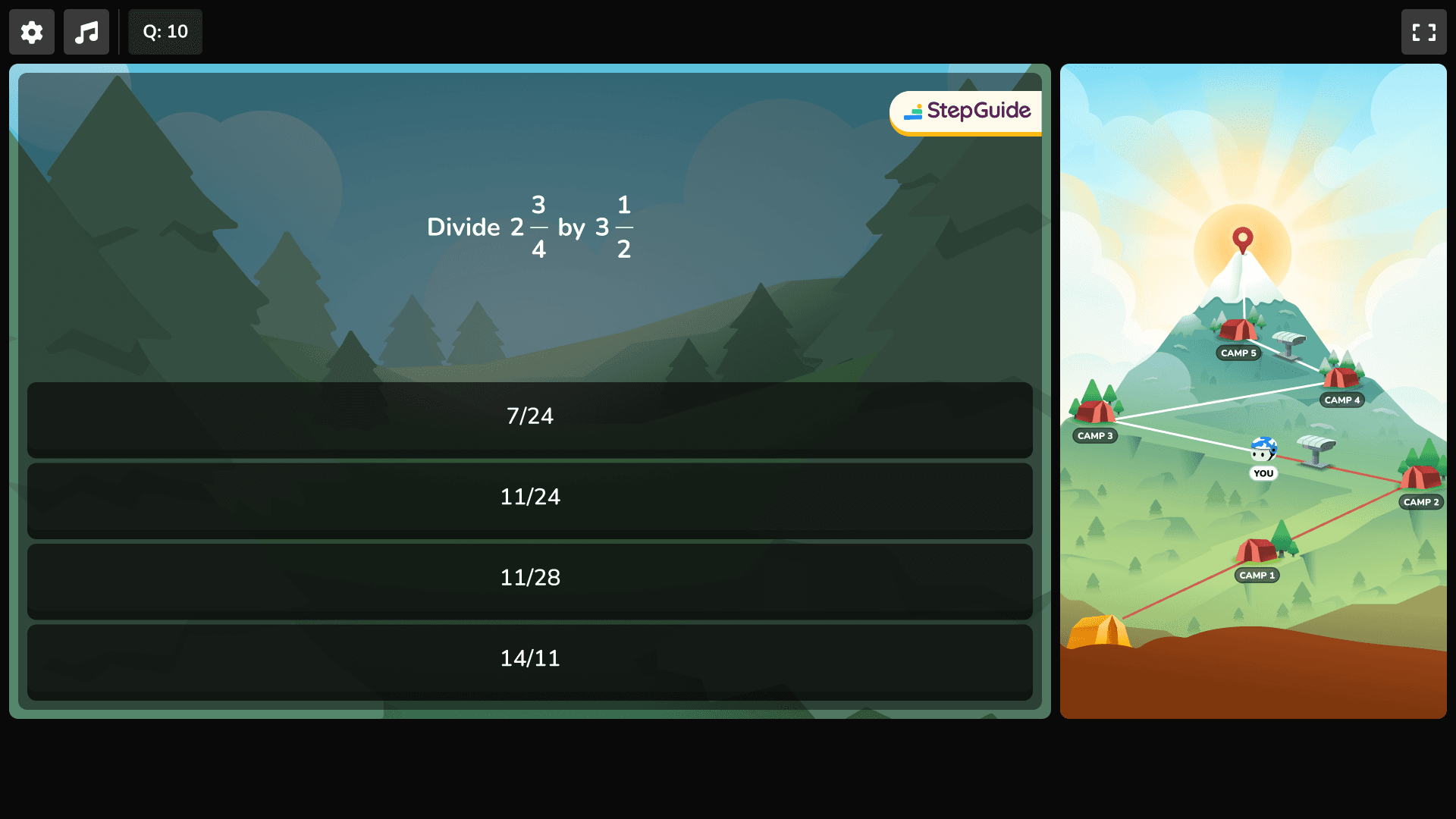
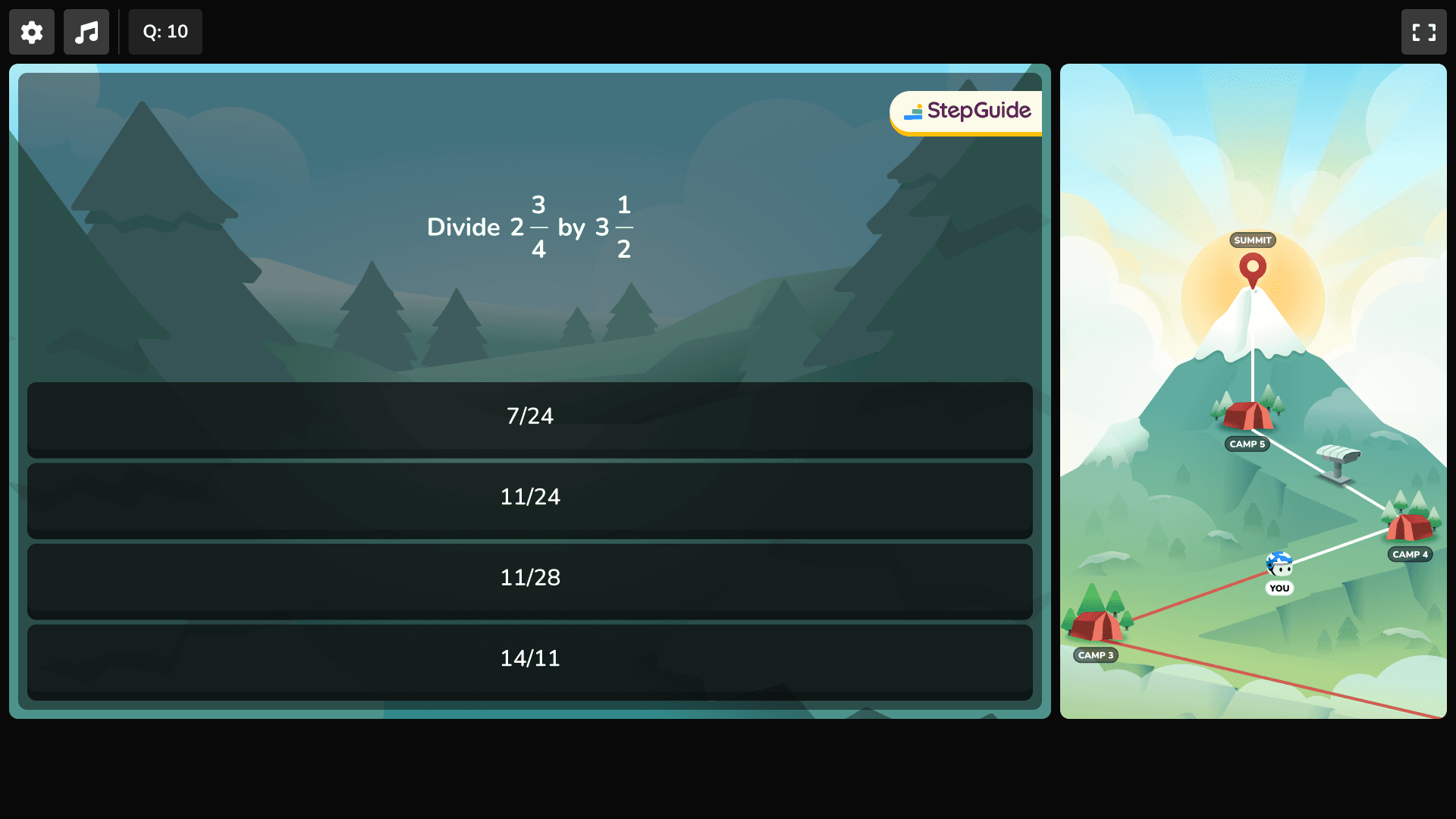
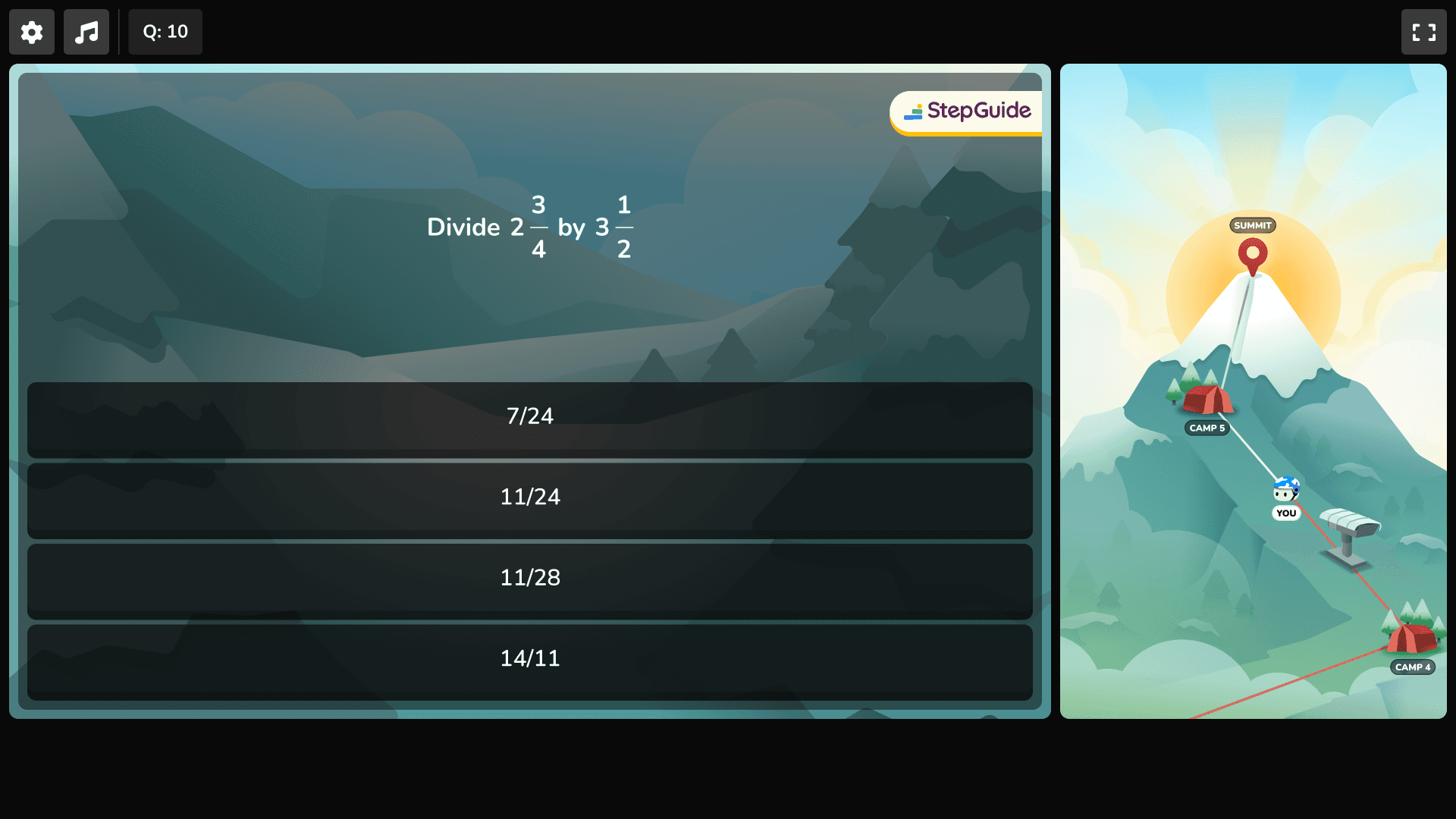
We change the background image and zoom in on the mountain as the student climbs higher, making the game feel more immersive.
StepGuide: Teaching in the Moment
Our Secret Weapon
Traditional tools
Get it wrong → Feel stupid → Give up
VoyageMath's StepGuide
Get it wrong → StepGuide teaches → Nail the next one
How It Works
Immediate Trigger
Opens automatically after incorrect answers
Reward Structure
Students earn mountain steps and mini-game time
Visual Progress
Mini mountain shows progress even during guidance
Step-by-Step
Complex problems become manageable
Math Vocabulary Support
Breaking Down Language Barriers
The Problem
60% of below-average students couldn't understand math terminology
The solution
Milestone Celebrations: Campsites
Rewarding Progress
Campsite Arrival & Avatar Rewards
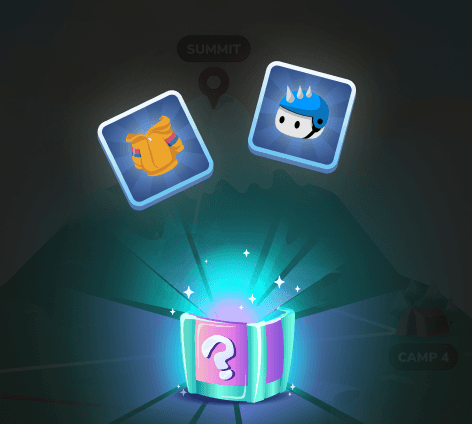
Students are greeted with congratulations and a mystery box animation that unlocks new avatar customization options.
Mini-Game Hub & Hall of Fame
Students can take a breather and play 4 different mini-games, each with their own Hall of Fame leaderboard.
Zipline Stations: Strategic Risk-Taking
High Stakes, High Rewards
The Concept
Confident students can challenge themselves for bigger rewards, but get it wrong and you slide back down the mountain. Not confident? Choose lower risk or skip entirely.
Design Purpose
Strategic Thinking
Students evaluate their confidence level
Differentiated Challenge
Advanced students can accelerate progress
No Safety Net
No StepGuide available, making it a true test
Personalized End Experiences
Every Journey Has Its Ending
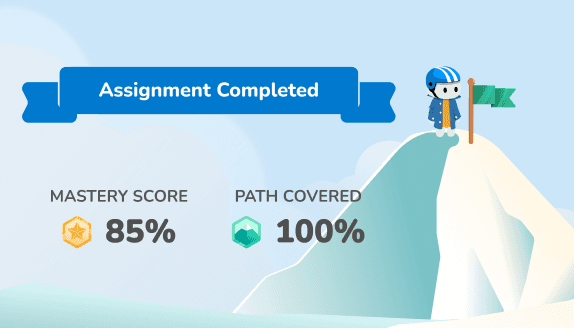
We have personalized quiz end experiences for students based on their performance, targeting exactly the right message for each type of learner.
Three Outcome States
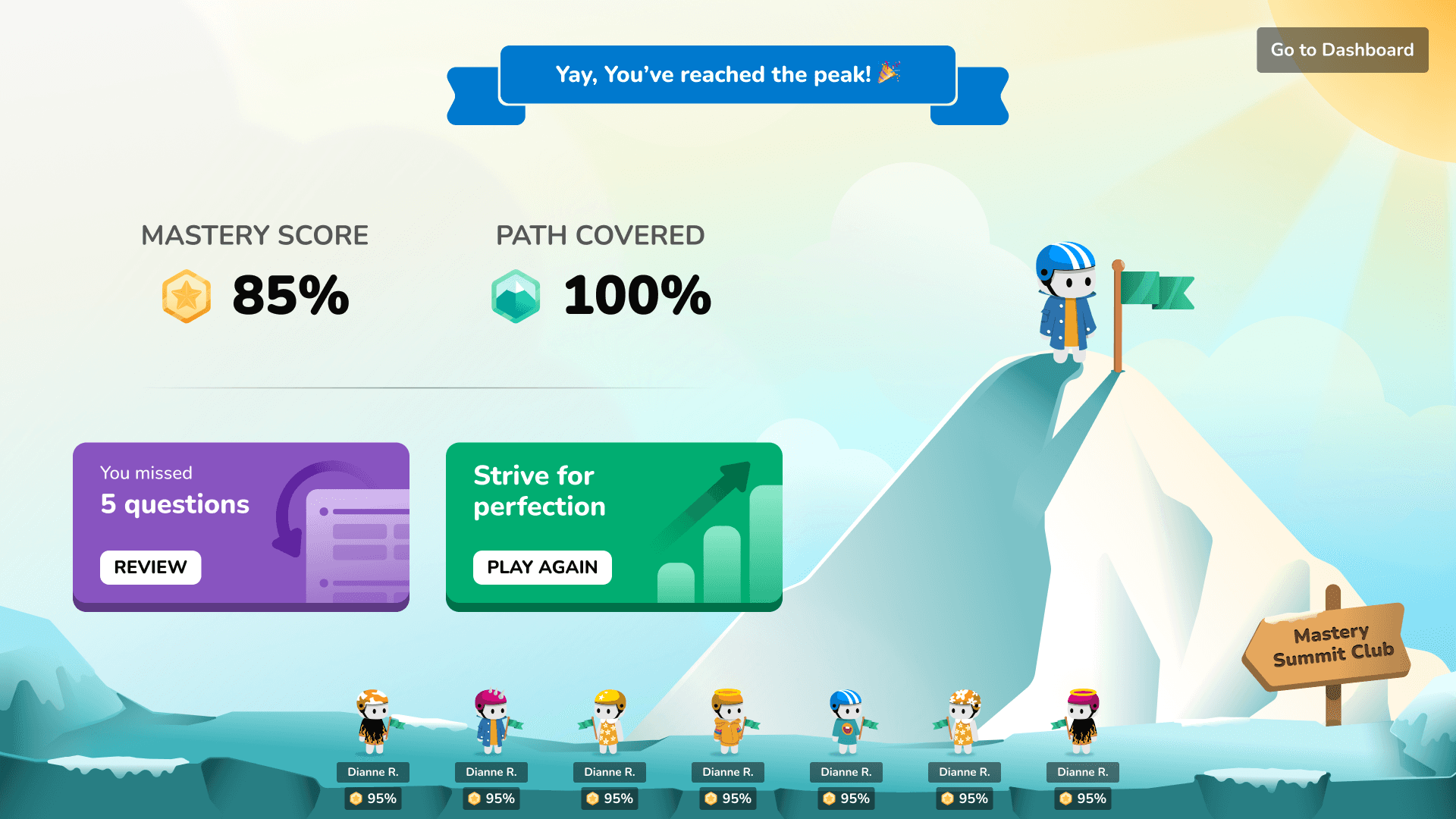
Success State (Mastery Score 80+)
Students are celebrated with fun stickers and placed at the mountain top where they can see friends who also mastered the skill. This creates a motivational target for other students to aspire toward.
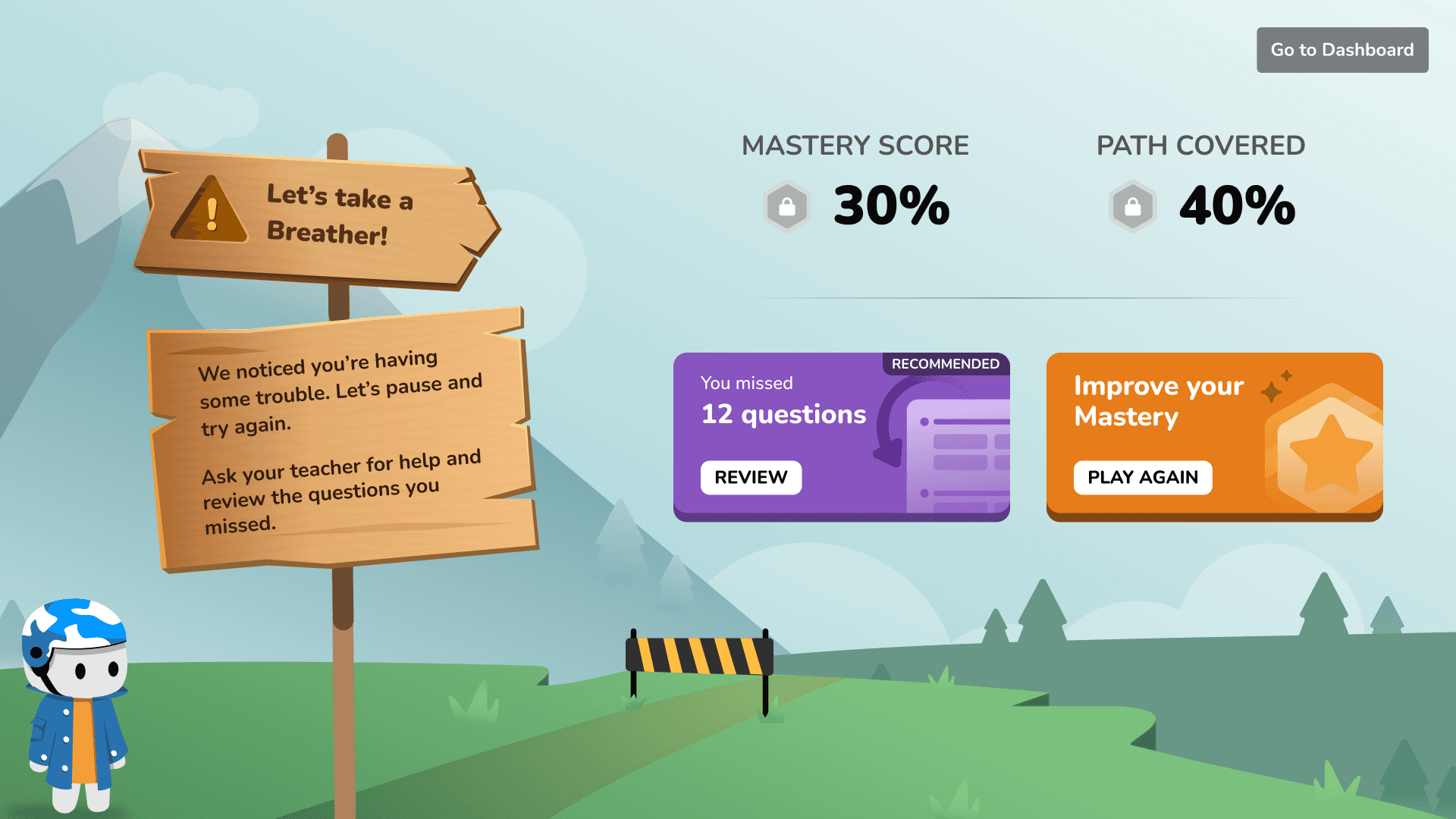
Encouragement State (Tried Hard, <80 Mastery)
Our adaptive logic gently stops their progress and nudges them to seek teacher help. They can review missed questions to learn before playing again.
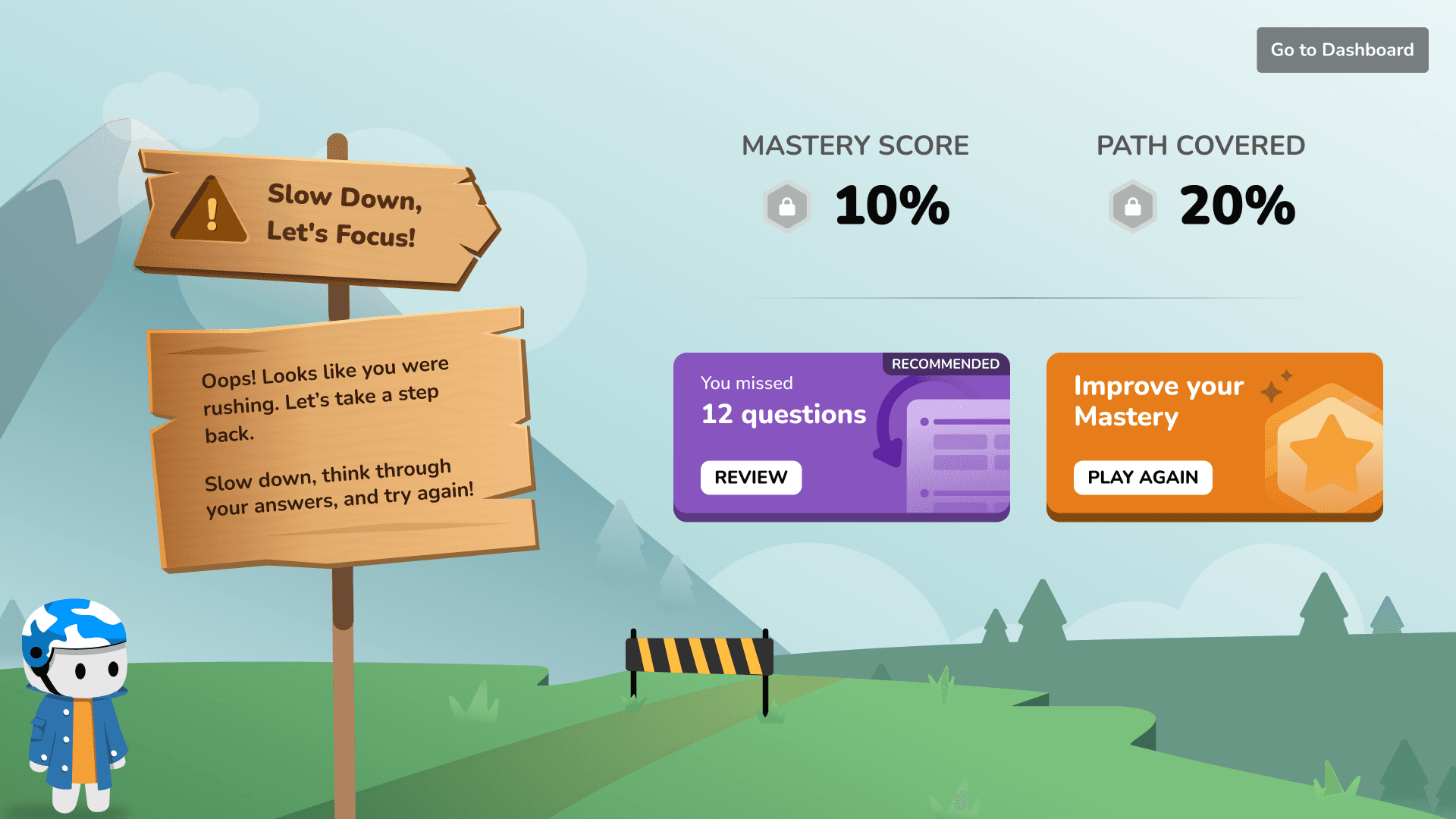
Guidance State (Rushing Pattern)
When we detect rushing behavior (average <10 seconds + mostly wrong answers), we ask students to slow down and think through their answers more carefully.
Accessibility & Inclusion
Supporting Every Learner
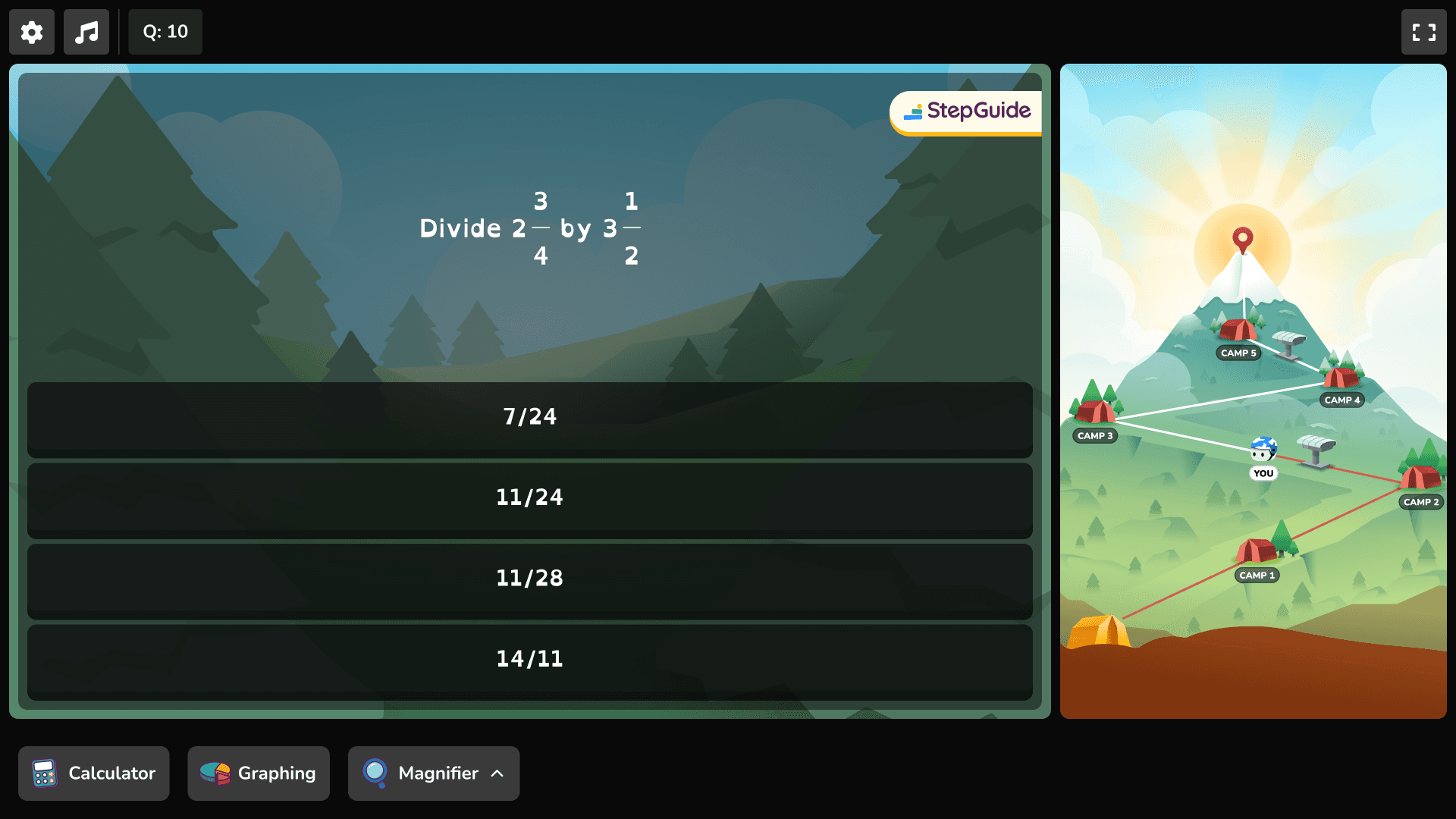
Comprehensive Accommodations
Borrowed from Quizizz's robust accessibility system:
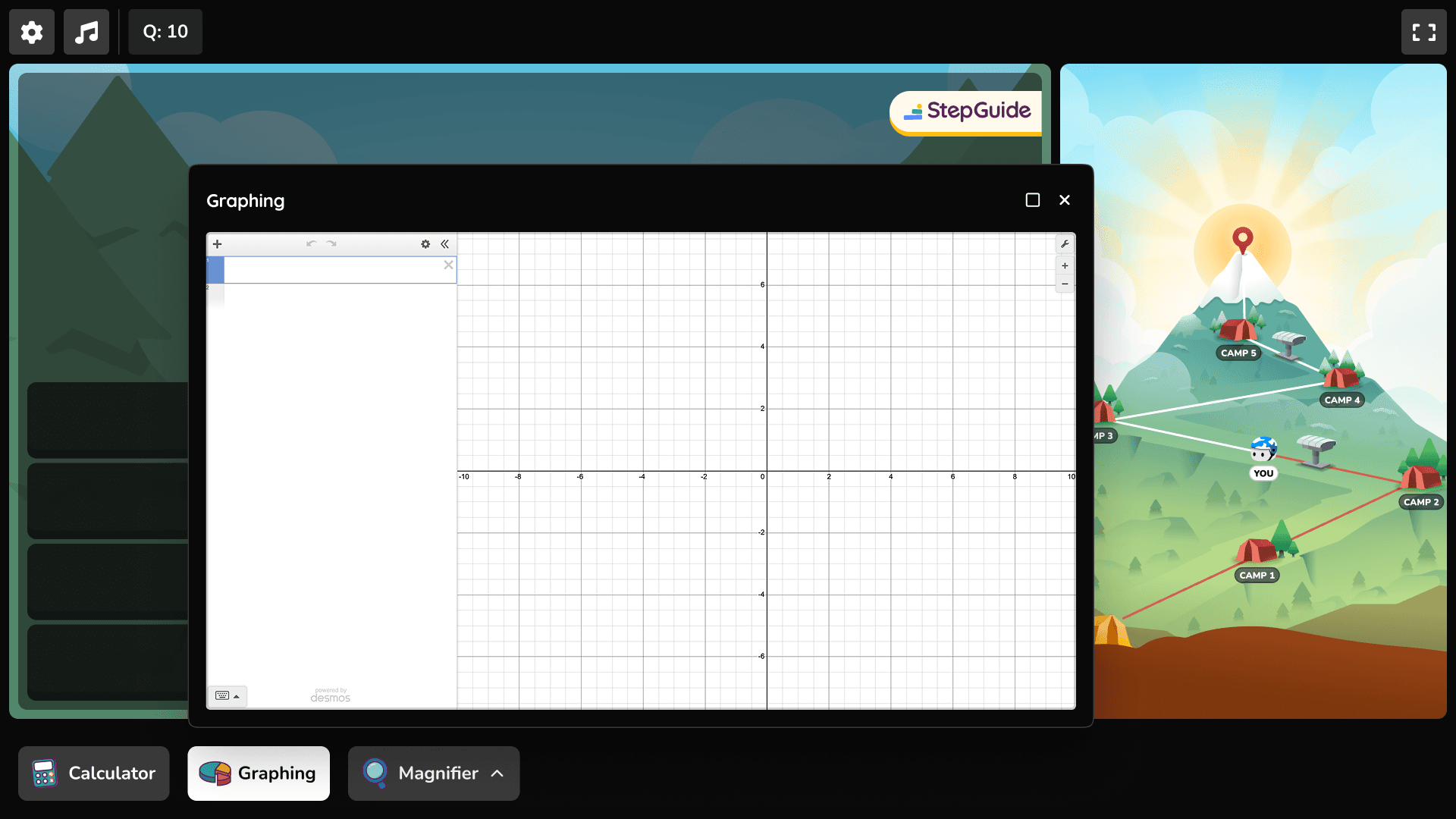
Calculation Support
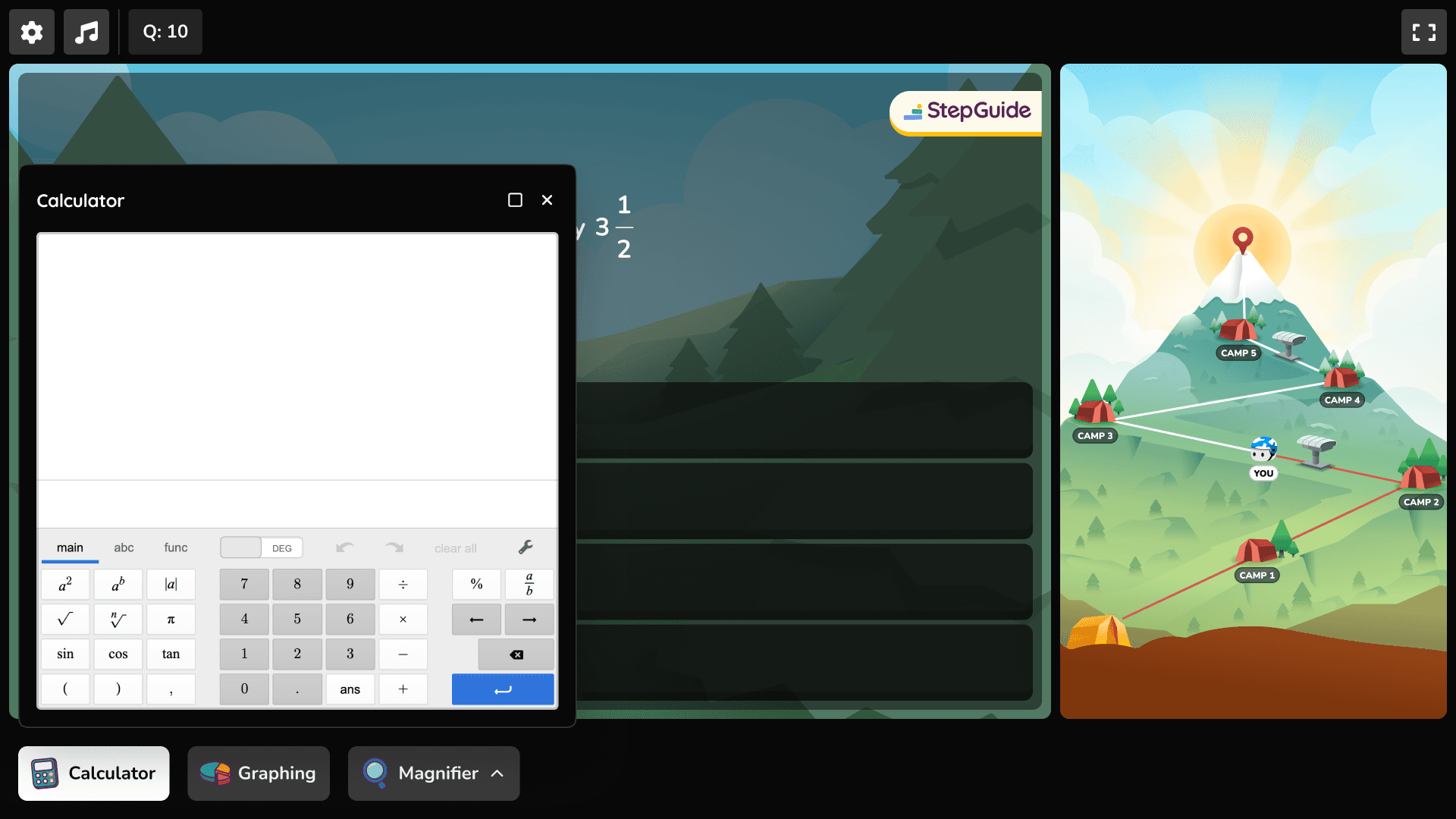
Scientific and graphing calculators
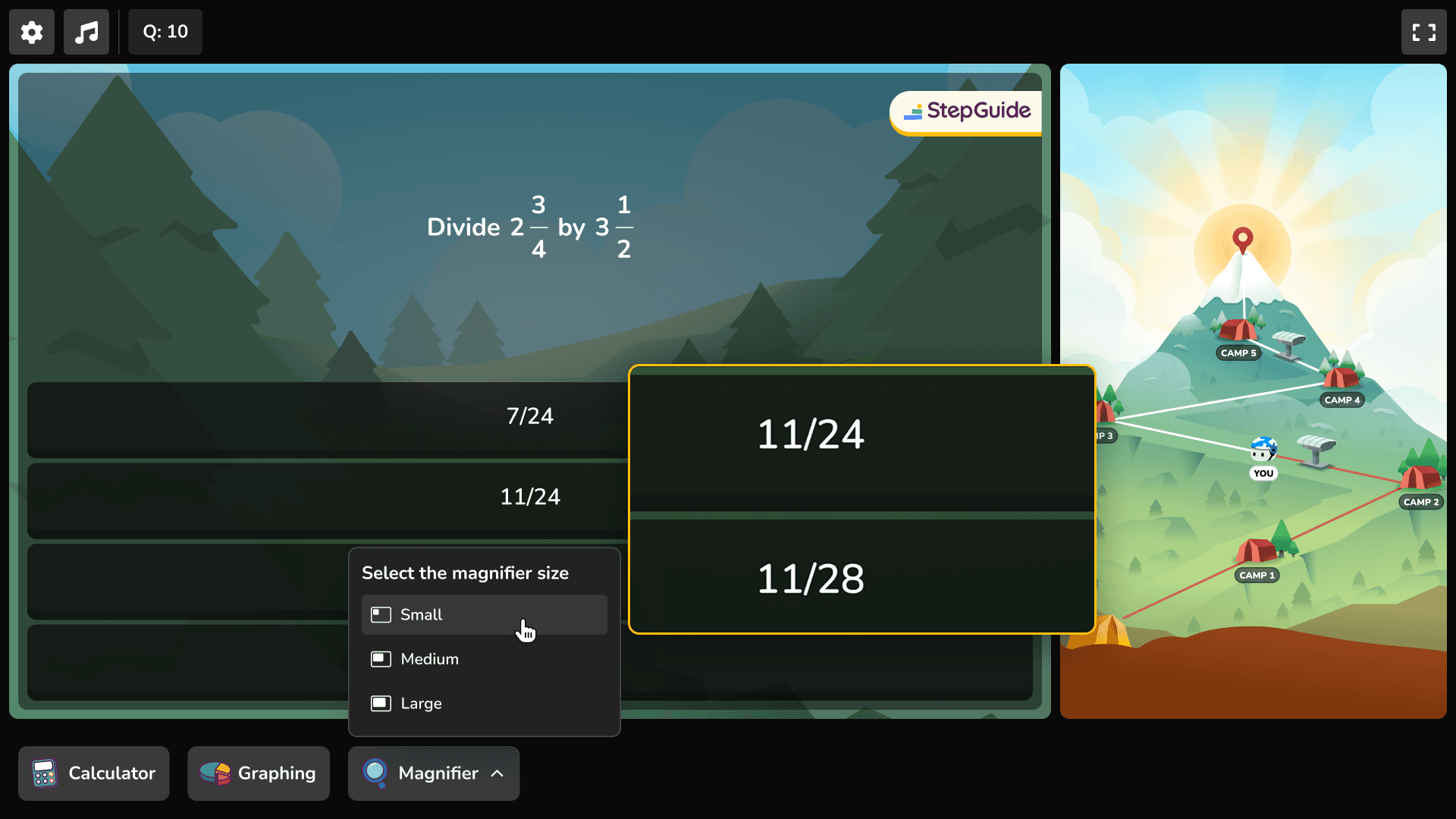
Visual Support
Magnifier and dyslexia-friendly fonts
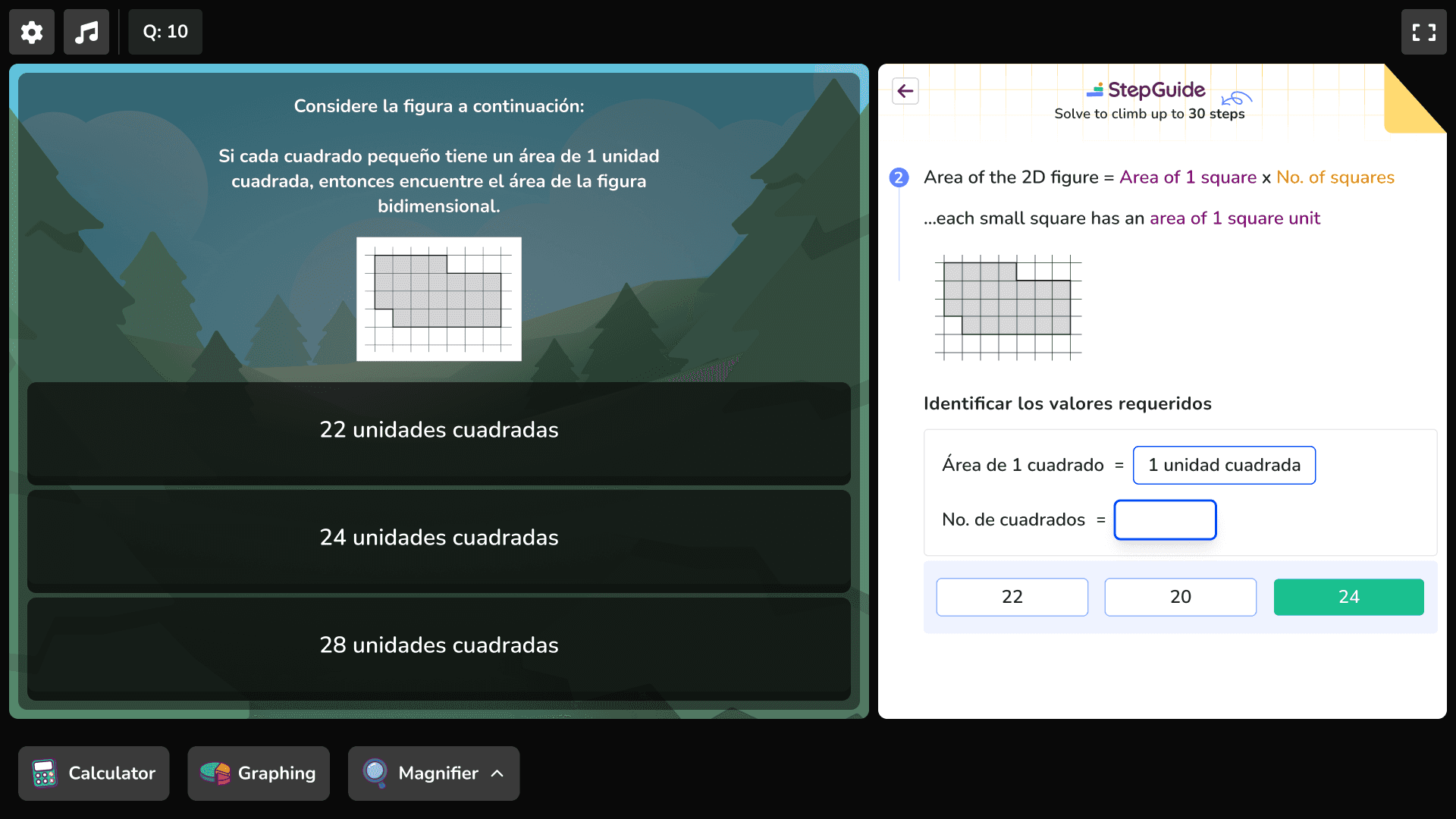
Language Support
Translation and read-aloud features
Learning Environment
Option to remove peer visibility from the mountain for pressure-free practice
Impact
76%
Repeat rate
3.8/5
Student PSAT
86%
Teacher NPS
80%
Game completion rate
Loved by students ❤️
I like it because it is so helpful - I didn't get a lot wrong! I got like 4 wrong so I am very happy about that. I always get a lot wrong usually.
Malik
7th grader
It helped me learn the subject better, especially with the harder questions.
Marcus
7th grader
It helped me use paper a lot and made me get answers closer to the actual answer.
Isabella
5th grader
You can move on your own and take a break if you wanted to.
Aiden
7th grader
I loved the explanation and break down of the problems.
Maya
8th grader
I love VoyageMath! It helps me with any math problems, and if I get it wrong then it will explain the answer I got wrong.
Caleb
7th grader
I loved how it didn't feel like I was doing math - it felt like a fun game!
Tyler
6th grader
Trusted by teachers 🤝
They walk out of the classroom with a more positive vibe and more encouragement about themselves and their abilities.
Christopher Borjas
6th grade teacher
They said that if they get it wrong it explains it to them and breaks it down. They said that it had helped them a lot!
Rebecca Hudgins
7th and 8th grade teacher
The engagement level of students has increased quite a bit. They like VoyageMath a lot more.
Erik Jonathan
Middle school math teacher
What Stuck With Me
Designing for education means balancing joy with learning. Too serious becomes homework students avoid. Too playful and the game overshadows the lesson. The breakthrough wasn't any feature. It was removing shame from failure. Students don't quit because they lack ability. They quit because tools make mistakes feel permanent. Everything we built said: you can do this, and we'll help you get there.
Iteration taught me to trust what students do over what they say. Badges failed. Mountain progress became everything. Designing for struggling students forced better design for everyone. When a sixth grader says "I don't feel bad when I get it wrong because I still climb the mountain," that's the win. Not engagement metrics. A mindset shift.